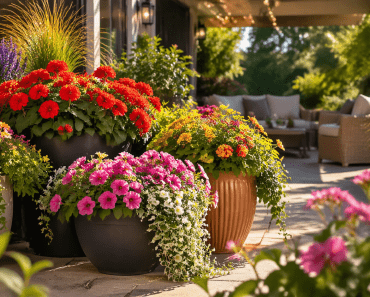
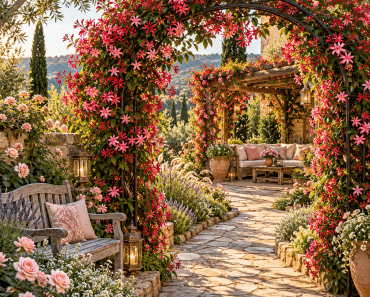
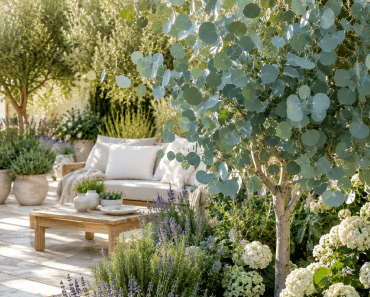
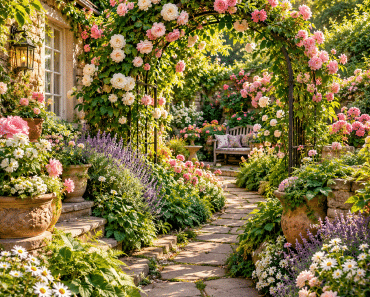
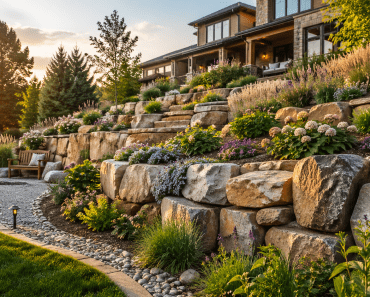
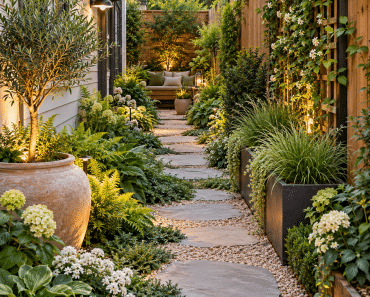
A beautiful outdoor retreat starts with choosing the right garden types for your lifestyle, available space, and personal taste. Whether you dream of a peaceful sanctuary filled with greenery, a modern entertainment area, or a colorful paradise buzzing with wildlife, selecting the perfect garden style makes all the difference. The wonderful thing about today’s garden types is that they can be adapted to almost any property—from compact urban courtyards to expansive countryside landscapes.
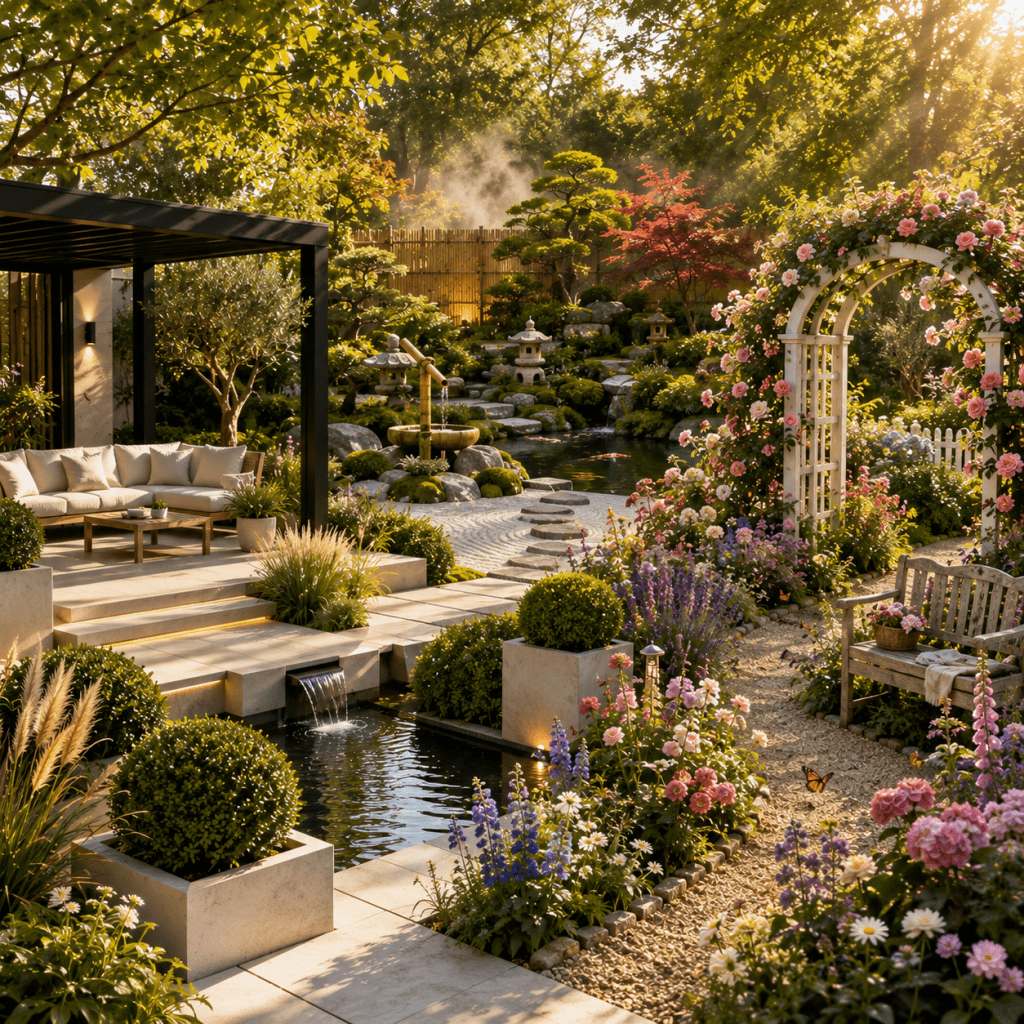
Gardens have evolved far beyond simple collections of flowers. They now serve as outdoor living rooms, wellness retreats, entertainment spaces, ecological habitats, and even extensions of modern home design. The right garden creates harmony between architecture and nature while increasing property value and improving daily well-being.
In this guide, you’ll discover the Best 3 garden types that continue to inspire homeowners, landscape designers, and gardening enthusiasts around the world. Each style offers its own personality, maintenance level, and visual appeal, making it easier to find the perfect match for your dream outdoor sanctuary.
🌿 Why Choosing the Right Garden Types Matters
Every successful landscape begins with a clear vision. Instead of randomly planting flowers and shrubs, understanding different garden types helps create a cohesive outdoor environment that remains beautiful throughout the seasons.
A thoughtfully designed garden influences how you experience your home every day. It provides a relaxing escape after work, encourages outdoor living, improves air quality, supports local wildlife, and creates memorable gathering spaces for family and friends.
Different garden styles also require varying levels of maintenance. Some prioritize simplicity and clean lines, while others celebrate abundant planting and natural growth. Knowing these differences helps you create a landscape that fits both your schedule and your personal preferences.
🌱 Quick Comparison of the Best Garden Types
| Garden Type | Overall Style | Maintenance | Best For | Main Materials |
|---|---|---|---|---|
| 🥇 Modern Minimalist Garden | Clean and contemporary | Low to Medium | Modern homes | Concrete, stone, wood, steel |
| 🥈 Cottage Garden | Romantic and colorful | Medium to High | Traditional homes | Brick, gravel, natural flowers |
| 🥉 Japanese Zen Garden | Peaceful and calming | Low | Relaxation spaces | Gravel, bamboo, stone, moss |
Important Note: The most beautiful garden is not necessarily the largest—it is the one designed around your lifestyle, local climate, and the amount of maintenance you can realistically provide.
🥇 Best 1 Modern Minimalist Garden
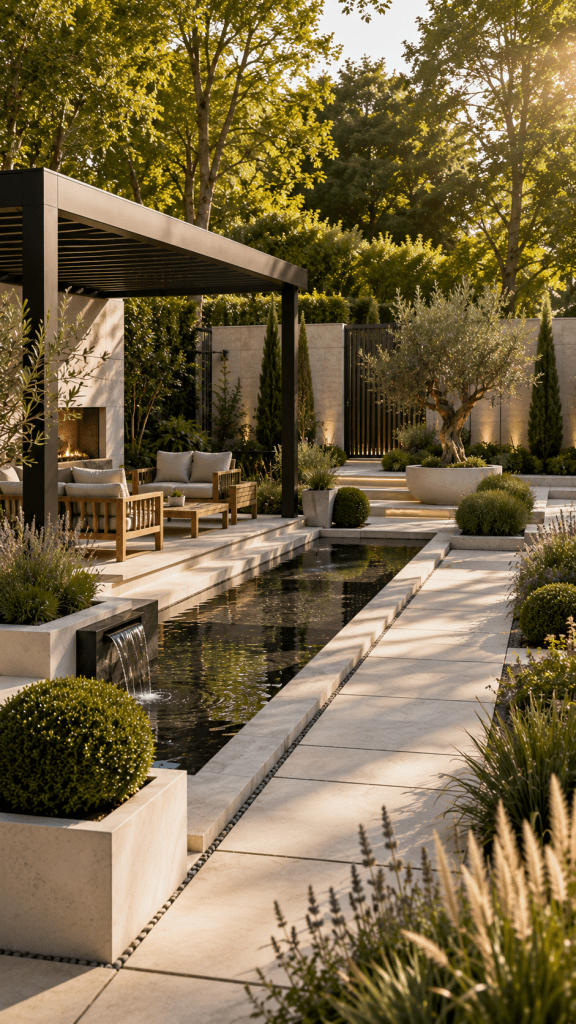
Among today’s most desirable garden types, the Modern Minimalist Garden stands out for its timeless elegance and practical simplicity. Inspired by contemporary architecture, this style focuses on clean geometry, uncluttered layouts, and carefully selected plants that make a powerful visual statement without overwhelming the space.
Rather than filling every corner with flowers, minimalist gardens celebrate balance, proportion, and negative space. Every feature has a purpose, allowing each element to stand out beautifully.
✨ Signature Characteristics
Minimalist landscapes typically feature wide-format stone pavers, architectural planters, ornamental grasses, sculptural shrubs, and carefully positioned trees. Neutral color palettes dominate the design, creating a calming atmosphere throughout the year.
Simple water features, floating benches, modern pergolas, and elegant outdoor lighting complete the sophisticated appearance.
Natural materials such as limestone, travertine, weathered steel, concrete, and sustainably sourced timber blend effortlessly into contemporary outdoor environments while maintaining warmth and character.
🌾 Best Plants for Modern Gardens
Plant selection focuses on texture rather than overwhelming color.
Popular choices include:
- 🌿 Lavender
- 🌿 Olive Trees
- 🌿 Boxwood
- 🌿 Japanese Maple
- 🌿 Feather Reed Grass
- 🌿 Fountain Grass
- 🌿 Agave
- 🌿 Succulents
- 🌿 Bamboo
- 🌿 White Hydrangeas
These plants provide year-round structure while remaining relatively easy to maintain.
🏡 Why Homeowners Love This Garden Style
Modern minimalist gardens require less maintenance than many traditional designs because they feature fewer plant varieties and prioritize durable hardscaping.
The uncluttered appearance also makes small gardens feel larger while providing versatile spaces for outdoor dining, entertaining, or simply relaxing.
Another advantage is longevity. Minimalist gardens rarely go out of style because their design relies on timeless proportions rather than temporary trends.
🥈 Best 2 Cottage Garden
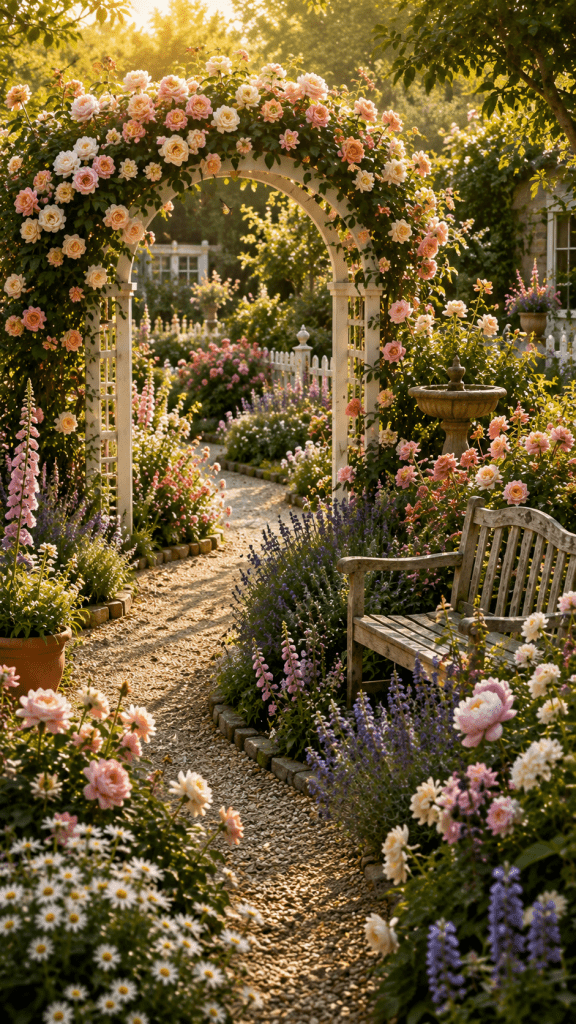
If warmth, charm, and abundant flowers define your dream landscape, Cottage Gardens remain one of the most beloved garden types in the world. Inspired by classic English countryside homes, this style embraces natural beauty, overflowing flower beds, winding pathways, and a welcoming atmosphere.
Instead of strict symmetry, cottage gardens celebrate controlled abundance. Plants intermingle naturally, creating an appearance that feels effortless while actually requiring thoughtful planning.
🌸 Layers of Color Throughout the Seasons
One of the defining features of cottage gardens is continuous blooming. By combining annuals, perennials, flowering shrubs, and climbing vines, homeowners enjoy vibrant displays from spring through autumn.
The layered planting technique also creates depth, making gardens appear lush regardless of their actual size.
Common flowering favorites include:
- 🌹 Roses
- 🌼 Coneflowers
- 🌸 Delphiniums
- 🌺 Foxgloves
- 🌷 Tulips
- 🌻 Black-Eyed Susans
- 🌼 Daisies
- 🌿 Lavender
- 🌺 Hydrangeas
- 🌸 Peonies
The mixture of flower heights creates movement and visual richness from every angle.
🪻 Creating a Welcoming Atmosphere
Cottage gardens are designed to invite exploration. Curved pathways encourage slow walks through fragrant blooms, while climbing roses soften fences, pergolas, and garden arches.
Decorative benches, bird baths, vintage containers, rustic gates, and flowering borders contribute to an environment filled with personality and nostalgia.
Many gardeners also incorporate vegetable patches, herbs, and fruit trees, blending ornamental beauty with practical gardening traditions.
🦋 Supporting Wildlife Naturally
Among all popular garden types, cottage gardens are exceptional habitats for wildlife.
Pollinating insects such as bees, butterflies, and hummingbirds are naturally attracted to the diverse selection of nectar-rich flowers.
Native shrubs also provide shelter for birds, while flowering plants encourage healthy ecological balance throughout the landscape.
The result is a garden that feels alive with movement, color, fragrance, and seasonal change.
🥉 Best 3 Japanese Zen Garden
For homeowners seeking peace, mindfulness, and timeless beauty, Japanese Zen Gardens represent one of the most calming garden types available.
Rather than emphasizing colorful flowers, Zen gardens focus on balance, symbolism, texture, and thoughtful simplicity.
Every stone, plant, and pathway is intentionally placed to create harmony between people and nature.
🍃 Simplicity Creates Serenity
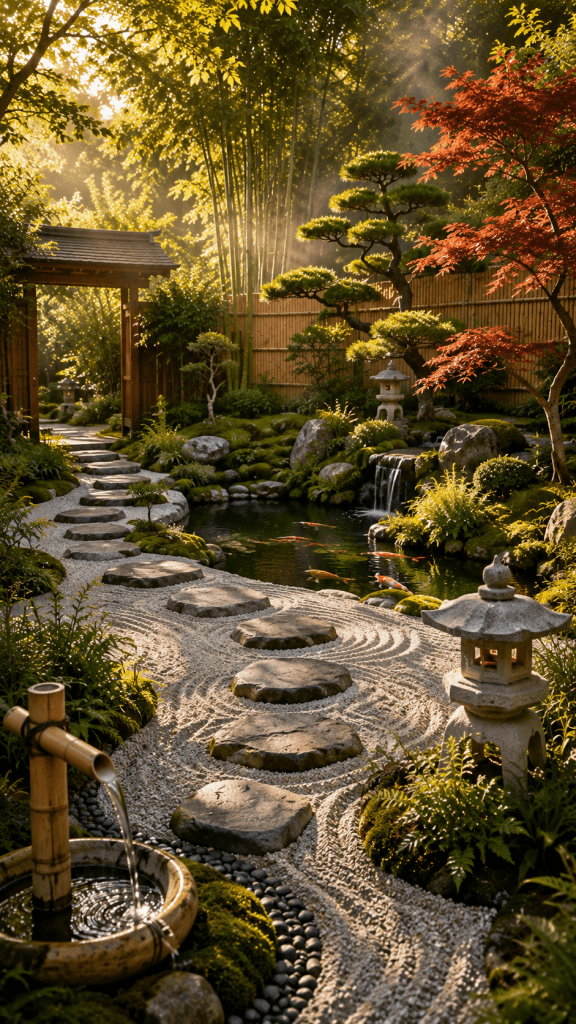
Zen gardens often contain expansive gravel areas carefully raked into flowing patterns that symbolize moving water.
Large natural stones represent mountains or islands, while carefully pruned evergreen plants provide year-round structure.
The restrained color palette encourages relaxation and reduces visual distractions.
Unlike heavily planted landscapes, Zen gardens invite contemplation through simplicity.
🌿 Traditional Design Elements
Many Japanese gardens incorporate features such as:
- 🎍 Bamboo fencing
- 🪨 Natural boulders
- 🌳 Japanese Maple
- 🌱 Moss gardens
- 💧 Stone water basins
- 🌉 Wooden bridges
- 🏮 Stone lanterns
- 🛤️ Stepping stones
- 🎋 Bamboo water features
- 🌾 Carefully shaped pine trees
Each feature contributes to a sense of tranquility while maintaining visual balance.
🧘 Perfect Spaces for Relaxation
Zen gardens work exceptionally well near meditation areas, outdoor tea spaces, yoga decks, reading corners, or quiet patios.
The soothing combination of natural textures, gentle sounds, and open space creates an environment that helps reduce stress and encourages mindfulness.
Many homeowners appreciate that Zen gardens remain attractive throughout every season, relying on texture and form rather than continuous flowering displays.
🌼 How to Choose Between Different Garden Types
Selecting among various garden types depends on much more than appearance alone.
Your home’s architecture should complement the landscape. Contemporary homes often pair beautifully with minimalist gardens, while historic cottages naturally harmonize with lush floral planting.
Lifestyle also matters. Busy homeowners may appreciate low-maintenance landscapes, while passionate gardeners often enjoy caring for flower-filled cottage gardens that evolve throughout the seasons.
Available sunlight, soil conditions, climate, irrigation, and local wildlife should all influence your final decision.
Rather than copying another garden exactly, adapt your favorite style to your own property’s unique conditions.
🌳 Essential Design Elements Every Garden Needs
Regardless of style, successful gardens share several important design principles.
🌿 Balance
Visual balance creates harmony between planting beds, pathways, seating areas, and open spaces.
🪴 Layering
Combining trees, shrubs, ornamental grasses, perennials, and ground covers creates depth and year-round interest.
💧 Water
Even a small fountain introduces soothing sound while attracting birds and beneficial wildlife.
🪑 Comfortable Seating
A garden should be experienced rather than simply admired. Comfortable seating encourages longer visits outdoors.
💡 Lighting
Well-placed landscape lighting extends garden enjoyment into the evening while highlighting beautiful architectural features.
🌺 Seasonal Interest
Choose plants that provide flowers, colorful foliage, berries, bark texture, or evergreen structure across multiple seasons.
🌎 Sustainable Ideas for Every Garden Style
Modern gardening increasingly embraces environmentally responsible practices without sacrificing beauty.
Rainwater harvesting reduces dependence on municipal water supplies while supporting healthier plants.
Organic mulch conserves moisture, suppresses weeds, and gradually improves soil quality.
Native plants require less irrigation and naturally support local ecosystems.
Permeable pathways reduce runoff while allowing rainwater to return naturally to the soil.
Composting transforms kitchen scraps and garden waste into nutrient-rich soil, reducing household waste while improving plant health.
Pollinator-friendly flowers strengthen biodiversity by providing food sources for bees, butterflies, and beneficial insects.
These sustainable practices can enhance virtually every garden style, whether modern, cottage-inspired, or Japanese.
🌸 Bringing Different Garden Types Together
One exciting trend in landscape design combines elements from multiple garden types into one cohesive outdoor space.
A modern patio may overlook cottage-style flower borders.
A Zen-inspired corner can become a peaceful retreat within an otherwise contemporary landscape.
Minimalist architecture often pairs beautifully with natural ornamental grasses and seasonal flowering plants.
The key is maintaining consistency through repeated materials, coordinated color palettes, and thoughtful transitions between different garden zones.
Blending styles allows homeowners to enjoy the strengths of each approach while creating landscapes that feel unique and highly personal.
🌺 Final Thoughts on the Best Garden Types
The most inspiring garden types are those that reflect both your personal style and the way you want to experience outdoor living. Whether you’re drawn to the sleek sophistication of a Modern Minimalist Garden, the colorful abundance of a Cottage Garden, or the peaceful harmony of a Japanese Zen Garden, each offers its own unique beauty and long-term rewards.
Rather than chasing short-lived trends, focus on creating a landscape that remains enjoyable throughout every season. Invest in quality materials, choose plants suited to your local climate, and design outdoor spaces that encourage relaxation, connection, and everyday enjoyment.
When thoughtfully planned, a garden becomes much more than an attractive yard—it becomes a living extension of your home, a welcoming retreat for family and friends, and a timeless sanctuary where nature and design exist in perfect harmony.