Iron Garden Chairs and Armchairs can completely change the character of an outdoor space without requiring a major garden renovation. A simple seating area surrounded by flowers, greenery, gravel, stone, or climbing plants can instantly feel more intentional when it includes beautifully shaped iron furniture. Unlike lightweight outdoor chairs that tend to disappear visually, iron seating introduces structure, contrast, and a timeless architectural quality.
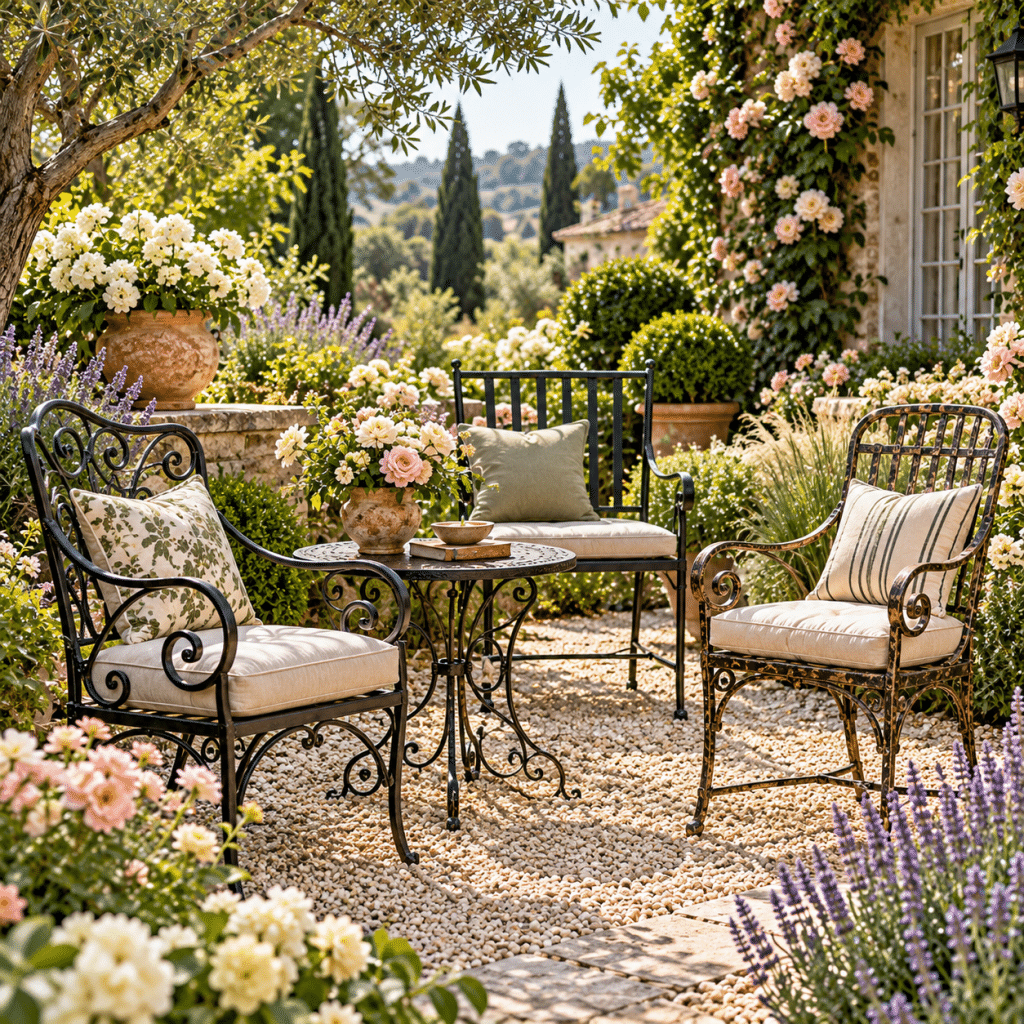
The appeal becomes even stronger when iron chairs are placed in the right part of the garden. A pair beside a rose bed can create a romantic retreat, while a single armchair beneath a tree can become a quiet reading corner. In a modern courtyard, black iron seating can provide graphic definition against pale paving and soft ornamental grasses.
There are many styles available, but three approaches stand out for combining beauty, practicality, and strong garden character. The following Best 3 Iron Garden Chairs and Armchairs ideas show how this classic material can work in romantic gardens, modern outdoor spaces, and cozy hidden corners.
Why Iron Garden Chairs and Armchairs Work So Beautifully Outdoors 🌿
Iron has a visual strength that few other garden furniture materials can reproduce. It feels permanent and grounded, which makes it particularly effective in landscapes filled with soft leaves, delicate flowers, and changing seasonal textures.
The contrast between rigid metal and organic planting creates visual balance. Curved iron backs look beautiful against climbing roses, while slim black frames can sharpen the appearance of grasses, ferns, lavender, hydrangeas, and loose perennial borders.
Another advantage is versatility. Iron furniture does not belong exclusively to traditional gardens. Depending on the design, it can look French, rustic, Mediterranean, Victorian, cottage inspired, industrial, or contemporary.
A white vintage-style iron chair may feel charming and romantic. The same basic material finished in matte charcoal and shaped with clean geometric lines can feel surprisingly modern. This flexibility allows iron seating to fit gardens of many different sizes and architectural styles.
There is also a sense of permanence associated with iron. A substantial chair or armchair can become part of the garden composition rather than simply being furniture that happens to be placed outside.
That distinction matters. The most beautiful outdoor seating areas often look as though they were planned together with the plants, paths, walls, and architectural features surrounding them.
Best 3 Iron Garden Chairs and Armchairs Ideas at a Glance
| Style | Best Setting | Visual Character | Recommended Finish | Perfect Companion Plants |
|---|---|---|---|---|
| 🥇 Romantic Curved Iron Armchairs | Rose gardens and cottage borders | Elegant soft timeless | Antique black aged bronze soft cream | Roses lavender catmint peonies |
| 🥈 Minimalist Black Iron Chairs | Modern patios and courtyards | Clean architectural sophisticated | Matte black charcoal graphite | Ornamental grasses boxwood olive trees |
| 🥉 Vintage Iron Garden Retreat Chairs | Shaded corners and hidden garden spaces | Cozy nostalgic relaxed | Weathered green antique white aged iron | Ferns hydrangeas ivy hostas |
Each approach produces a very different atmosphere. The best choice depends less on trends and more on how the seating should interact with the surrounding garden.
🥇 Best 1 Romantic Iron Garden Chairs and Armchairs With Elegant Curved Details
Romantic iron seating is perhaps the style most closely associated with classic garden furniture. Decorative curves, slim metalwork, scroll-shaped armrests, and gently rounded backs give these chairs a graceful appearance that works naturally with flowering plants.
This style becomes especially effective when used in spaces where the garden already feels lush and layered. Roses, peonies, foxgloves, lavender, clematis, and soft groundcovers reinforce the traditional character of the furniture without making the composition feel overly formal.
The key is to create a scene that looks relaxed rather than staged.
Two matching iron armchairs placed slightly toward one another can create an intimate conversation area. Adding a small round iron table between them creates enough function for coffee, books, or a small vase of freshly cut flowers without overwhelming the garden.
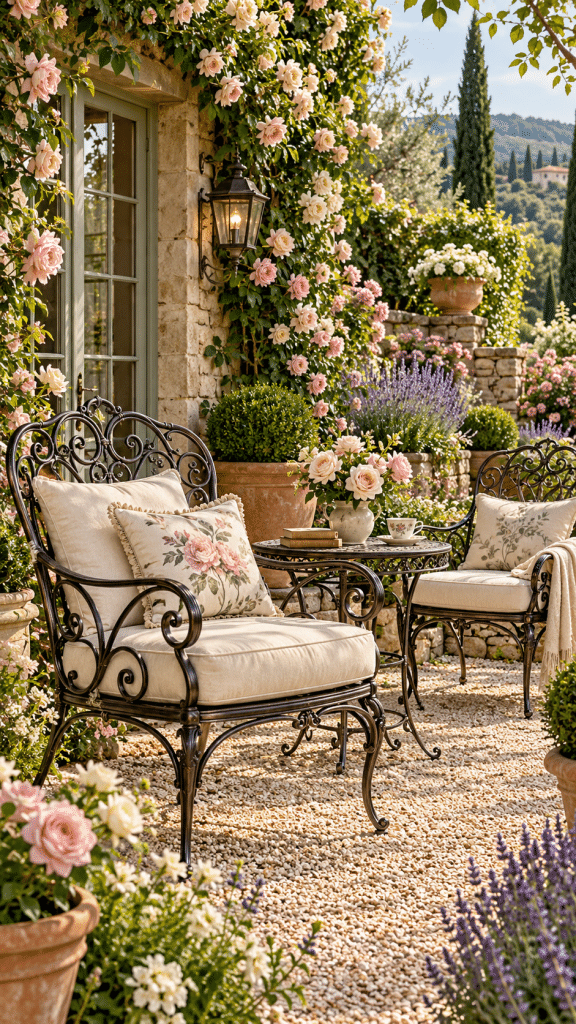
Choose Curved Silhouettes Instead of Heavy Shapes
The most attractive romantic iron chairs usually have relatively open metalwork. This allows greenery behind the furniture to remain visible and prevents the seating area from feeling visually heavy.
Look for curved backs, delicate vertical lines, subtle scrollwork, lattice patterns, or gentle botanical motifs.
A chair does not need extremely elaborate decoration to feel romantic. In fact, simpler curves often age better visually than excessively ornate designs.
Openwork backs are particularly useful in smaller gardens because they allow the eye to travel through the furniture toward the planting beyond it. This makes the entire seating arrangement feel more integrated with the landscape.
Use Soft Cushions to Balance the Metal
Iron can look beautiful on its own, but a carefully selected cushion adds comfort and softness.
Choose outdoor fabrics in muted colors such as warm white, sage green, dusty blue, beige, oatmeal, faded terracotta, or soft floral prints. These shades complement natural planting without competing for attention.
Avoid using too many cushions. One seat cushion or one small lumbar pillow per chair is often enough.
The goal is to preserve the elegant iron structure while introducing just enough softness to make the furniture inviting.
Create a Romantic Rose Garden Seating Area 🌹
Few combinations work as naturally as iron chairs and roses.
Position the furniture beside climbing roses, shrub roses, or a mixed border containing roses and aromatic companion plants. Gravel paths, weathered brick, aged stone, and terracotta pots can strengthen the romantic atmosphere.
A climbing rose overhead creates an especially dramatic result. An iron arch or pergola behind the seating area can visually connect the metal furniture with the vertical garden structure.
When flowers begin to spill around the base of the chairs, the seating area feels almost embedded within the planting.
This creates the kind of garden corner that becomes more beautiful as the landscape matures.
Important Note: Iron furniture should not be placed permanently on constantly wet soil or poorly drained grass. Position the chair legs on gravel, stone, brick, paving, or another well-drained surface to reduce moisture exposure and help protect the finish.
Consider Antique Black or Aged Bronze
Color strongly influences how romantic iron furniture appears.
Antique black is one of the safest choices because it creates definition while still blending naturally into shadows and foliage. A slightly aged bronze finish can feel warmer and works beautifully near terracotta, sandstone, brick, and autumn-colored planting.
Soft cream or antique white can create a lighter French garden effect, especially in smaller courtyards.
However, very bright white may appear too new or visually dominant. Slightly softened or weathered finishes often feel more natural in garden environments.
🥈 Best 2 Modern Iron Garden Chairs and Armchairs With Minimalist Black Frames
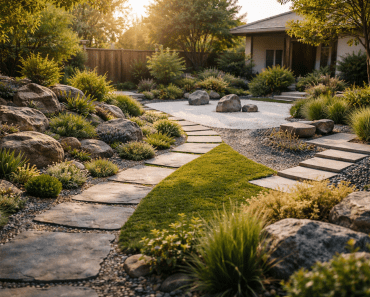
Iron furniture does not have to look traditional. One of the strongest contemporary garden trends is the use of slim black metal furniture alongside restrained planting and simple architectural materials.
Modern iron chairs usually remove decorative scrollwork and replace it with clean lines, narrow frames, subtle curves, and carefully balanced proportions.
The result is elegant rather than industrial.
This style works especially well in urban gardens, small patios, minimalist backyards, modern courtyards, and contemporary terraces.
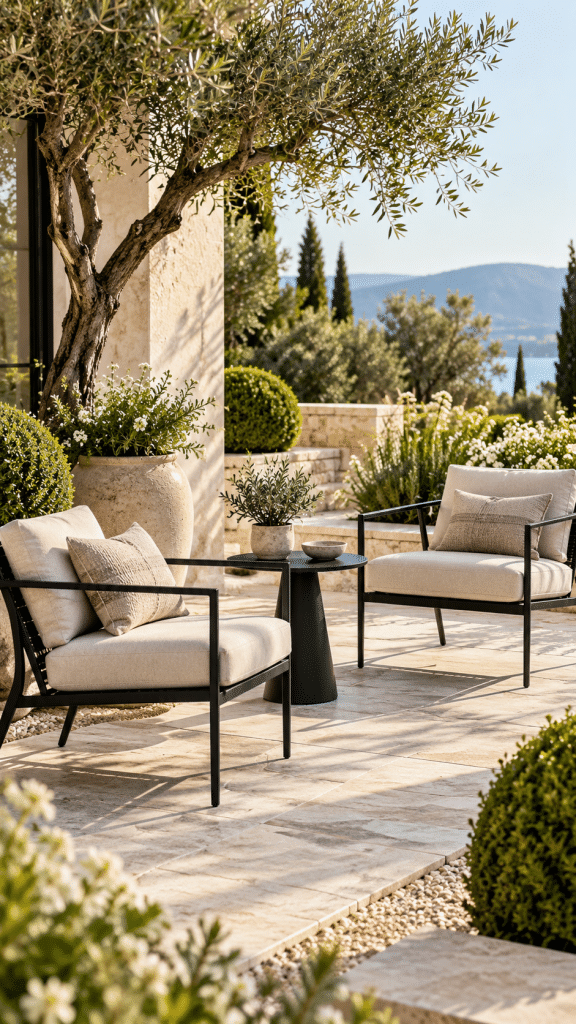
Use Matte Black for Strong Garden Contrast
Matte black iron creates immediate visual definition.
Against pale limestone, cream stucco walls, gravel, concrete, or light timber, black furniture acts almost like a graphic outline. It gives the outdoor area structure without requiring bright colors or complicated decoration.
The contrast becomes even more attractive when planting is kept relatively restrained.
Silver foliage, olive trees, lavender, ornamental grasses, clipped evergreen shrubs, and white flowering plants all pair beautifully with black iron.
Instead of competing with the garden, the furniture frames it.
Keep the Furniture Shape Simple
Modern iron seating looks strongest when the silhouette is clean.
Choose chairs with straight legs, gently curved backs, slim armrests, or simple horizontal and vertical metal elements. Avoid too many decorative details.
A minimalist chair does not have to be uncomfortable. Slightly angled backs and shaped seats can provide good support while maintaining a refined appearance.
Modern iron armchairs can be especially successful because the armrests create a strong architectural outline.
A pair arranged beside a simple table can function as a compact outdoor lounge without consuming the space required by a larger sofa.
Combine Iron With Natural Materials
A fully metal garden can feel cold if there are no contrasting textures.
The easiest solution is to pair modern iron chairs with natural materials.
A small teak table, woven outdoor cushion, linen-textured pillow, clay planter, limestone paving, or timber screen can soften the overall appearance.
Wood and iron create particularly good balance.
The iron provides definition and durability, while the wood introduces warmth. This combination works in both large landscapes and small urban spaces.
Stone also pairs beautifully with iron. Large-format paving beneath black chairs creates an upscale courtyard effect, especially when surrounded by simple greenery.
Build a Modern Courtyard Around the Chairs
Instead of treating seating as an afterthought, make the iron chairs the starting point for a complete courtyard composition.
Begin with two or four matching chairs arranged around a compact table. Position them on a clearly defined surface such as gravel, stone, or concrete.
Then build layers around the seating area.
Use large planters containing olive trees, bay trees, or clipped shrubs for height. Add ornamental grasses or soft perennials around the edges to prevent the space from looking too rigid.
Low architectural lighting can make the black chair silhouettes look especially dramatic after sunset.
The finished result feels simple, but every element contributes to the composition.
Add Warm Textiles for Evening Comfort ✨
Modern black iron furniture becomes even more inviting in the evening when paired with warm-neutral fabrics.
Choose seat cushions in oatmeal, taupe, sand, charcoal, muted olive, or warm beige. A folded outdoor throw can add another layer of comfort when temperatures begin to drop.
Avoid very bright patterned textiles if the goal is a sophisticated modern aesthetic.
Instead, allow texture to create visual interest.
Bouclé-inspired outdoor fabric, canvas, woven acrylic, or subtly striped cushions can make the seating feel luxurious while preserving the minimalist character.
🥉 Best 3 Vintage Iron Garden Chairs and Armchairs for a Hidden Garden Retreat
Not every garden seating area needs to be open or formal.
Sometimes the most memorable chair is the one discovered at the end of a pathway beneath a tree, beside a wall covered with ivy, or behind a mass of flowering shrubs.
Vintage-style iron chairs are perfect for creating these secluded garden moments.
Their slightly weathered appearance makes them feel as though they have been part of the landscape for years.
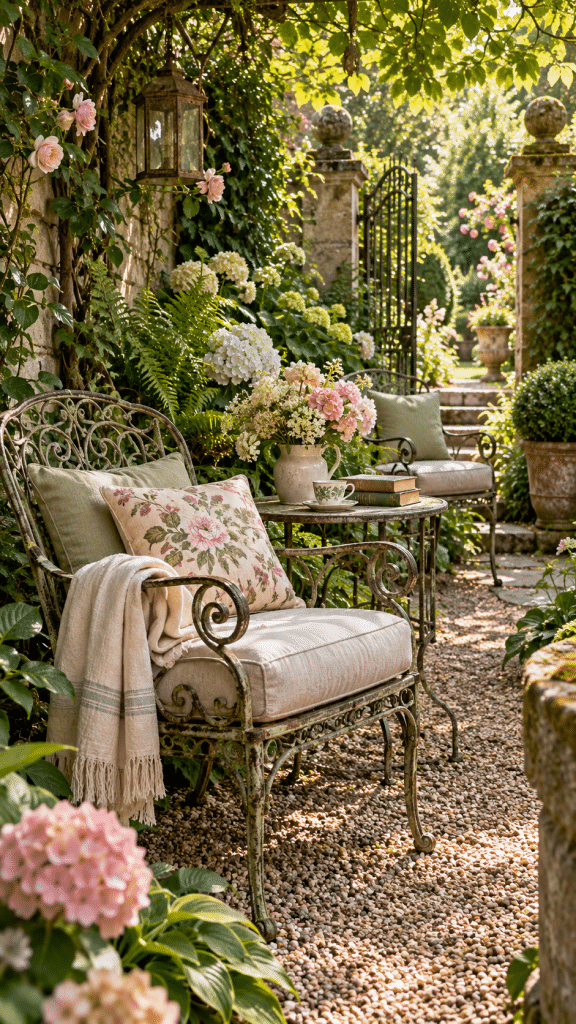
Place One Statement Chair in a Quiet Corner
A single iron armchair can be enough to transform an overlooked space.
Look for a corner beneath a mature tree, beside a garden shed, near a hedge, or at the end of a narrow path.
The location should feel slightly separated from the main activity area.
Positioning one chair there immediately communicates that the space is meant for slowing down.
A small side table can add functionality, but it is not always necessary.
Sometimes a single chair surrounded by plants creates a stronger visual story.
Let Plants Partially Surround the Furniture
Hidden garden seating becomes more atmospheric when plants soften the edges of the furniture.
Allow ferns, hostas, hydrangeas, ivy, groundcovers, or low ornamental grasses to grow nearby. The chair should remain accessible, but it does not need to look isolated from the planting.
This style works beautifully with slightly weathered iron.
A finish showing subtle signs of age can look intentional when surrounded by mature greenery.
The furniture becomes part of the garden narrative instead of appearing newly purchased and carefully displayed.
Try Weathered Green or Antique White Finishes
Dark iron is not the only option.
Weathered green can blend beautifully into leafy areas and works particularly well in traditional gardens.
Antique white offers more contrast and can brighten shaded spaces.
Aged gray, soft blue-gray, or muted bronze can also work depending on the color palette of the surrounding garden.
When choosing a weathered finish, the important distinction is between intentional patina and damaging corrosion.
A decorative aged appearance can be attractive, but structural rust should always be addressed before it weakens joints or legs.
Build a Reading Corner Beneath a Tree 📚
An iron armchair beneath a tree can create one of the simplest and most charming garden retreats.
Choose a location with comfortable shade during the time of day when the space will most often be used.
Create a stable base using gravel, flat stones, compacted material, or paving.
Place one comfortable armchair on the surface, then add a small table or garden stool.
Surround the space with shade-tolerant plants such as ferns, hostas, heucheras, or hydrangeas.
A nearby lantern can make the corner feel especially inviting during early evening.
This type of garden retreat does not require a large property.
Even a narrow side garden or unused corner behind a garage can become a surprisingly peaceful destination.
How to Choose the Right Iron Garden Chairs and Armchairs
Appearance is important, but practical considerations matter just as much.
Outdoor furniture has to tolerate changing weather, movement, repeated use, and exposure to moisture.
Before choosing a design, consider where the furniture will be positioned and how frequently it will be used.
Check the Weight and Stability
One major advantage of iron furniture is stability.
Unlike very lightweight plastic or aluminum chairs, iron is less likely to move during windy weather.
However, heavier does not automatically mean better.
The chair should still be practical enough to reposition when cleaning the patio or changing seasonal arrangements.
Sit in the chair if possible before purchasing. Check whether the legs rest evenly on the ground and whether the frame feels rigid.
Rocking or movement around welded joints may indicate poor construction.
Look at the Protective Finish
Outdoor iron should have a protective coating designed to reduce exposure to moisture.
Powder-coated finishes are common because they create a consistent protective layer over the metal.
Painted or enamel finishes can also work well when properly maintained.
Inspect joints, decorative curves, and areas around screws because these are places where coatings can become damaged over time.
Small scratches can usually be repaired before corrosion develops.
Regular inspection is one of the easiest ways to extend the life of iron furniture.
Consider Comfort Before Appearance Alone
Some beautifully designed iron chairs are not especially comfortable for long periods without cushions.
If the furniture will mainly serve as a decorative focal point, this may not be a major concern.
However, chairs intended for dining, reading, or long conversations should have supportive proportions.
Armrests are especially valuable when the furniture will be used for relaxing.
A slightly reclined back, generous seat width, and properly positioned arms can make a substantial difference.
Outdoor cushions can improve comfort considerably, but the underlying chair design should still provide reasonable support.
Styling Iron Garden Chairs Through the Seasons 🍂
One of the advantages of simple iron furniture is that it can remain outdoors visually relevant throughout the year.
The surroundings can change while the chairs continue acting as a stable design element.
Spring
During spring, allow bulbs and fresh foliage to create the main color.
Tulips, narcissus, forget-me-nots, and flowering shrubs pair beautifully with dark iron seating.
Soft cushions in cream or pale green can keep the area looking fresh.
A small pot of flowering bulbs placed on the table can connect the furniture to the surrounding landscape.
Summer
Summer is the perfect season for climbing plants and fragrant flowers.
Place iron chairs near roses, jasmine, honeysuckle, lavender, or flowering herbs.
Light cushions and breathable textiles help the seating area feel comfortable in warm weather.
If the location receives strong sun, adding an umbrella, pergola, or overhead tree canopy can make the space significantly more useful.
Autumn
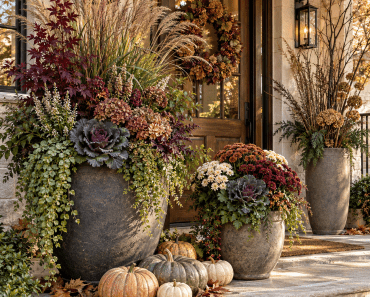
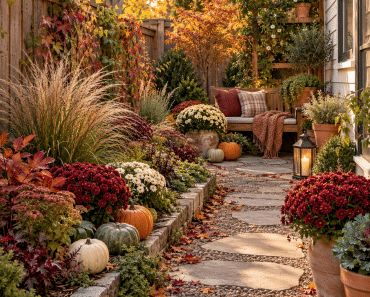
Iron furniture looks especially attractive against autumn foliage.
Rust, burgundy, ochre, and golden leaves create natural contrast with black or aged metal.
Add cushions in caramel, olive, warm beige, burgundy, or muted terracotta.
Pumpkins, dried grasses, lanterns, and seasonal planters can be introduced carefully without overcrowding the seating area.
Winter
Even when the chairs are not frequently used, iron furniture can continue contributing to the garden composition.
The silhouette of a curved chair can look beautiful against bare branches, evergreen plants, frost, or winter containers.
Remove soft cushions during prolonged wet weather and store them in a dry location.
If local conditions are harsh, covering or storing the furniture can help preserve the finish.
Where to Place Iron Garden Chairs for the Strongest Visual Impact
Placement can make an ordinary chair look far more beautiful.
Avoid simply positioning furniture in the middle of an empty lawn unless there is a specific reason for doing so.
Instead, look for visual relationships between the chair and surrounding garden features.
At the End of a Garden Path
A chair at the end of a path gives the eye a destination.
This simple technique can make a small garden feel deeper because the viewer naturally looks toward the furniture.
The chair also communicates function. It suggests that the garden should be explored rather than simply viewed from the house.
Beside a Flower Border
Placing iron chairs close to planting creates immediate softness.
Position the seat so flowers appear beside or slightly behind the furniture rather than directly in front of the access point.
This allows the chair to feel immersed in the garden while remaining practical.
Against a Garden Wall
Walls provide excellent backgrounds for iron furniture.
Brick, natural stone, white render, weathered timber, and climbing greenery all create strong contrast.
A bench-style arrangement with two armchairs and a small table can turn an empty wall into a complete garden room.
Under a Pergola
Pergolas naturally define seating areas.
Iron chairs beneath a pergola feel especially cohesive because both elements introduce architectural structure.
Climbing plants can then soften the entire composition.
Wisteria, roses, grapevines, or clematis can create seasonal shade and make the seating area feel increasingly established over time.
How to Maintain Iron Garden Chairs and Armchairs
Iron garden furniture can last for many years when basic maintenance is performed consistently.
The process does not need to be complicated.
Begin by keeping the furniture reasonably clean. Dust, leaves, pollen, soil, and moisture can accumulate around joints and decorative details.
Wipe surfaces periodically with mild soapy water and a soft cloth or brush.
Allow the furniture to dry completely afterward.
Inspect the finish several times during the outdoor season.
If a small chip or scratch exposes bare metal, repair it before rust spreads beneath the surrounding coating.
Minor maintenance performed early is usually much easier than restoring a heavily corroded chair later.
During wet seasons, make sure water does not remain trapped around the feet or inside hollow decorative sections.
Furniture covers can be useful, but they should allow some airflow. Completely sealing damp furniture beneath non-breathable material can sometimes trap moisture.
Cushions should generally be stored separately when not in use for extended periods.
How to Make Iron Garden Chairs Feel More Luxurious
Luxury in garden design is rarely created by adding as many decorative elements as possible.
More often, it comes from proportion, quality materials, restraint, and thoughtful surroundings.
Start by giving the chairs a defined setting.
A small gravel circle, paved square, stone terrace, or brick patio instantly makes the seating look more intentional.
Then introduce one or two strong accessories.
A refined ceramic planter, lantern, linen-look cushion, small stone table, or elegant outdoor throw may be enough.
Planting should frame the furniture rather than hide it completely.
Repeated colors also create sophistication.
If the chairs are black, repeating dark tones in lanterns, planters, trelliswork, or window frames can connect the entire garden.
Similarly, aged bronze furniture can be echoed through terracotta, warm stone, seed heads, and copper-toned foliage.
Lighting adds the final layer.
Soft low-level illumination from lanterns, discreet garden lights, or nearby wall fixtures can make iron furniture look especially striking after sunset.
Common Mistakes to Avoid With Iron Garden Furniture
One common mistake is choosing furniture that is too ornate for the surrounding garden.
Highly decorative iron can look beautiful in the right environment, but in a very small modern courtyard it may feel visually busy.
The opposite can also happen.
Extremely minimalist furniture may look disconnected from a deeply romantic cottage garden unless surrounding materials help create a transition.
Another mistake is ignoring comfort.
A chair may photograph beautifully but still be unpleasant to use.
Always consider how long people are likely to sit there.
Poor placement is another issue.
Iron chair legs can gradually sink into soft soil, especially after heavy rain.
A stable base improves both appearance and longevity.
Finally, avoid filling every available area with furniture.
One carefully positioned armchair can have more impact than several unrelated chairs scattered around the garden.
Which of the Best 3 Iron Garden Chairs and Armchairs Styles Fits Your Garden
The strongest choice depends on the atmosphere of the landscape.
🥇 Romantic curved iron armchairs are ideal when the garden contains roses, cottage-style planting, gravel, brick, aged stone, or flowering climbers. Their graceful lines strengthen a soft traditional atmosphere.
🥈 Minimalist black iron chairs are the better fit for contemporary courtyards, structured terraces, modern houses, ornamental grasses, pale paving, and simple architectural planting. Their clean silhouette introduces definition without overwhelming the garden.
🥉 Vintage retreat chairs work beautifully in shaded corners, woodland-inspired spaces, side yards, older gardens, and quiet reading areas. Their slightly aged character can make even a newly designed corner feel established.
There is no need to use the same style throughout every part of a large garden.
Different garden rooms can support slightly different furniture as long as there is some connection through materials, finish, color, or planting.
Final Thoughts on Iron Garden Chairs and Armchairs
Iron Garden Chairs and Armchairs offer far more than a practical place to sit. When thoughtfully selected and positioned, they can become architectural features that help organize the entire garden.
A curved chair among roses can make a flower border feel romantic and established. A pair of slim black armchairs can transform a plain patio into a sophisticated modern courtyard. A weathered vintage chair beneath a tree can turn an overlooked corner into a peaceful private retreat.
The most successful designs combine furniture and landscape rather than treating them as separate elements.
Consider the shape of the chair, the surrounding plants, the surface beneath it, the nearby architecture, and how the space will actually be used.
Then allow the garden to grow around the furniture naturally.
Among the Best 3 Iron Garden Chairs and Armchairs ideas, romantic curved seating offers timeless softness, minimalist black iron provides modern structure, and vintage iron armchairs create intimate garden character.
Whichever approach is chosen, iron brings something especially valuable to an outdoor space: a sense of permanence.
Plants may flower, fade, change color, and grow larger every year, but a carefully placed iron chair can remain a familiar focal point through every season. 🌿