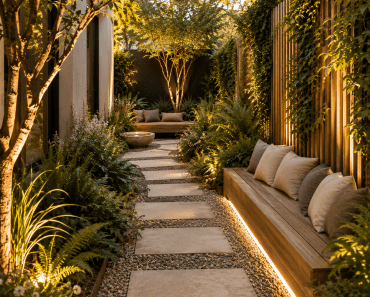
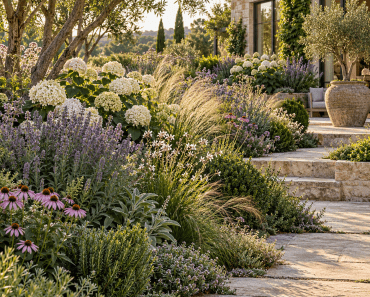
Finding the right plant stand ideas can completely change the way indoor plants look and feel within a room. Instead of leaving beautiful pots scattered across the floor, thoughtfully chosen plant stands introduce height, structure, visual rhythm, and a more intentional sense of styling. Even a relatively simple collection of houseplants can suddenly resemble a carefully designed indoor garden when plants are displayed at different levels.
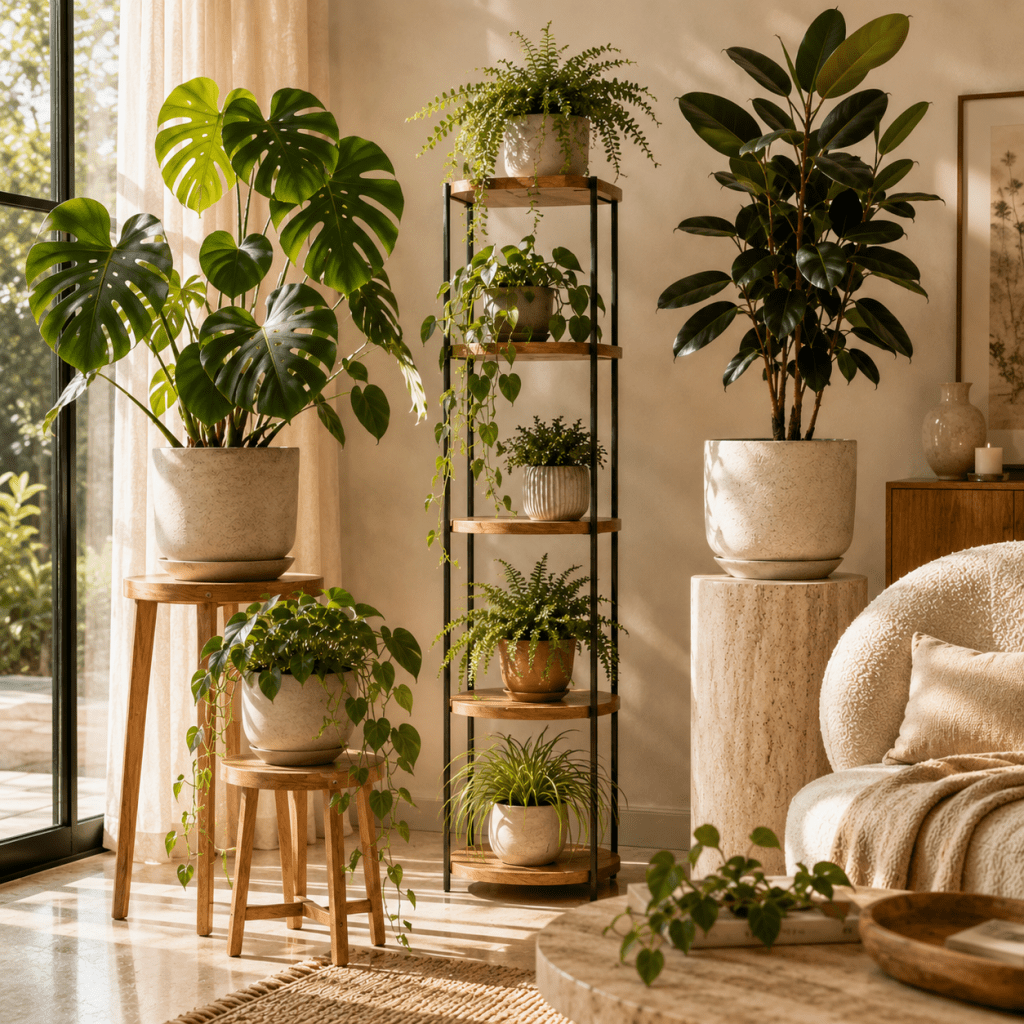
The most attractive plant displays are rarely created by purchasing dozens of new plants. 🌿 Often, the secret is simply improving how existing plants are arranged. A tall stand can lift trailing foliage into view, a tiered structure can turn an unused corner into a miniature botanical feature, and a sculptural stand can make a single statement plant feel like part of the architecture.
For anyone searching for stylish yet practical inspiration, these Best 3 plant stand ideas offer three very different approaches. The first focuses on warm natural materials and timeless interiors, the second maximizes vertical space with layered displays, and the third transforms plant stands into sophisticated decorative furniture.
Whether decorating a small apartment, bedroom, living room, home office, entryway, or spacious modern home, these ideas can help create a greener interior without making the room feel crowded.
Why Plant Stand Ideas Can Transform an Entire Room 🌿
Indoor plants naturally bring softness into spaces dominated by straight architectural lines, furniture, walls, cabinets, and technology. Their irregular leaves and organic shapes create contrast, but simply placing plants around a room does not automatically produce a cohesive design.
Plant stands provide the missing structure.
A plant placed directly on the floor usually occupies only one visual level. When that same plant is elevated, the foliage becomes more noticeable and begins interacting with surrounding furniture, artwork, windows, and architectural details.
Height variation is particularly important.
Imagine three identical pots placed next to one another on the floor. They may look attractive, but visually they create a relatively flat arrangement. Put one on a low stool, another on a medium-height stand, and the third on a taller pedestal, and suddenly the leaves overlap at different heights.
The arrangement gains movement and dimension. 🌱
Plant stands are also useful for practical reasons. Elevating pots can make cleaning underneath them easier, protect certain flooring surfaces when paired with proper saucers, and help smaller plants receive more visibility among larger furniture.
Perhaps most importantly, stands make plants look intentional.
Instead of appearing as objects that happened to be placed in an empty corner, the plants become part of the room’s decorative composition.
The Best 3 Plant Stand Ideas at a Glance
Before exploring each concept in detail, this comparison shows how the three styles work in different interiors.
| Plant Stand Idea | Best For | Main Materials | Visual Style | Space Needed | Ideal Plants |
|---|---|---|---|---|---|
| 🥇 Natural Wood Plant Stands | Warm modern interiors | Oak, bamboo, walnut | Organic and timeless | Low to medium | Monstera, rubber plant, pothos |
| 🥈 Tiered Vertical Plant Stand | Small rooms and corners | Wood and slim metal | Layered and botanical | Low floor space | Ferns, trailing plants, small foliage |
| 🥉 Sculptural Statement Plant Stand | Elegant living spaces | Stone, metal, ceramic, wood | Sophisticated and artistic | Medium | Olive tree, ficus, large statement plants |
Each concept can be adapted to different budgets and decorating styles. The important factor is not necessarily the price of the stand, but how successfully its proportions, materials, and placement complement the plant and surrounding room.
🥇 Best 1 Natural Wood Plant Stand Ideas for a Warm Organic Interior
Natural wood deserves the first position because it offers an unusually versatile combination of warmth, simplicity, and timeless appeal.
A wooden plant stand can work beautifully in Scandinavian, Japandi, mid-century modern, bohemian, contemporary, farmhouse-inspired, and minimalist interiors. Unlike highly decorative furniture that can quickly become associated with a specific trend, simple wood tends to age gracefully.
The key is choosing the right design.
Rather than using overly bulky stands, consider slim structures with clean legs and enough visual openness underneath the pot. Natural oak is particularly effective because its warm but relatively light appearance complements green foliage without overwhelming it.
Walnut offers a darker and more sophisticated alternative. Bamboo creates a lighter, casual appearance and can work especially well in relaxed spaces.
Create Different Heights Instead of Matching Everything
One of the easiest mistakes when styling plant stands is buying several stands of exactly the same height.
Uniformity can be attractive in formal interiors, but plants generally look more natural when they appear at multiple levels. 🌿
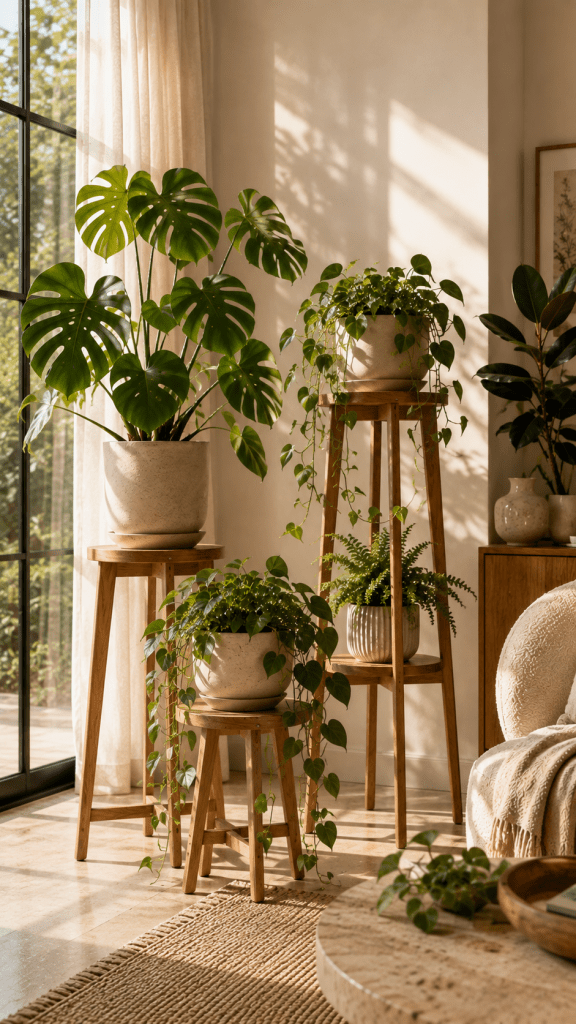
Try combining three stands with noticeably different heights.
A taller stand might support a pothos or philodendron whose vines can cascade downward. A medium-height stand can hold a compact leafy plant, while a short pedestal can elevate a wider pot just slightly above the floor.
This creates a triangular composition rather than a straight horizontal line.
The arrangement feels more like a miniature landscape.
Height differences can also prevent foliage from visually competing. Instead of every plant occupying the same layer, leaves have their own space to spread.
Pair Warm Wood with Neutral Ceramic Pots
The pot-and-stand combination matters almost as much as the stand itself.
For a sophisticated natural interior, combine light oak stands with ceramic pots in shades such as warm ivory, stone, sand, oatmeal, greige, or soft taupe. These quiet colors allow foliage to remain the strongest visual element.
Textured ceramics can add additional interest.
A slightly imperfect handcrafted planter introduces character without requiring bright color. Ribbed surfaces, subtle speckles, matte finishes, and organic silhouettes work particularly well with wood.
For stronger contrast, charcoal or matte-black planters can be used selectively.
A dark pot sitting inside a pale oak stand creates a sharp contemporary look, particularly when paired with deep green foliage.
Use Wooden Plant Stands Beside Windows
Windows are natural locations for plant displays because many houseplants benefit from bright indirect light.
A group of wooden stands positioned beside a large window can create a beautiful transition between the architecture and the outdoor view. Rather than covering the entire window with plants, leave breathing space between foliage.
This is particularly effective when sheer curtains are used.
Soft fabric, natural wood, sunlight, and green leaves create an inviting combination that feels calm rather than overly decorated. ☀️🌱
However, the plant’s actual lighting requirements should always determine its final position. A beautiful arrangement is not successful if the plant is receiving unsuitable light.
Turn an Empty Corner Into a Botanical Moment
Corners are among the best places to experiment with plant stand ideas.
A corner often has enough vertical space for plants but may be too narrow for conventional furniture. Instead of adding another cabinet or decorative object, create a small botanical grouping.
Place the tallest plant toward the back.
Add a medium stand slightly forward and offset from it. Finish with a small plant or basket near the floor.
The goal is not perfect symmetry.
Slightly irregular placement often feels more relaxed and organic. The stands should appear related through material or color while remaining different enough in height to create movement.
A nearby floor lamp can complete the composition, especially in a living room or reading area.
Important Note: Always match plant placement to the individual plant’s light, humidity, temperature, and watering requirements. A beautiful plant stand arrangement should support healthy growth rather than forcing a plant into an unsuitable location simply for decoration.
Add Texture Around the Wooden Stand
Wood becomes even more attractive when surrounded by complementary natural materials.
Consider placing the arrangement near a woven rug, linen curtains, a bouclé chair, stone flooring, or a textured limewash wall.
The contrast between materials gives the corner depth.
For example, smooth oak beside rough ceramic creates subtle variation. Glossy leaves against woven linen create another layer of texture. A natural fiber basket positioned beneath a stand can provide storage while reinforcing the organic theme.
This layered approach is one reason wooden plant stands can look significantly more expensive than their actual cost.
It is the composition—not simply the individual object—that creates the luxurious effect.
🥈 Best 2 Tiered Plant Stand Ideas for Small Spaces and Vertical Greenery
When floor space is limited, the most efficient direction is often upward.
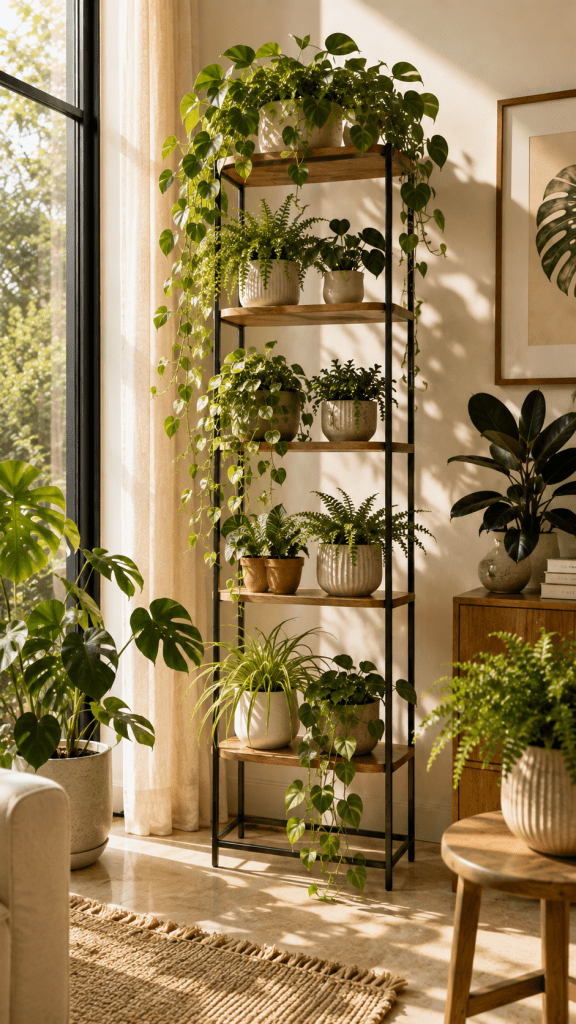
A tiered plant stand allows multiple plants to occupy a relatively compact footprint. Instead of spreading six pots across the floor, the plants can be distributed vertically across several shelves or platforms.
This approach is particularly valuable in apartments, bedrooms, home offices, balconies, sunrooms, and small living rooms.
It also creates one of the most visually dramatic plant displays.
Choose an Open Airy Structure
Large shelving units can make a small room feel even smaller.
For plant displays, an open structure usually works better.
Look for stands with slender wooden supports, thin powder-coated metal frames, or a combination of the two. Open sides allow light to travel through the arrangement and prevent the stand from becoming a heavy visual block.
The shelves should also have enough vertical separation for foliage.
A common problem with compact tiered stands is insufficient space between levels. Plants quickly outgrow their assigned shelf and begin pressing against the shelf above.
Choosing a more generously spaced structure can produce a cleaner and healthier display.
Put Trailing Plants on Higher Levels 🌿
Trailing plants are perfect for elevated shelves because gravity becomes part of the design.
Pothos, heartleaf philodendron, string-type plants, and other cascading varieties can soften the straight edges of a stand. Their vines naturally travel downward, visually connecting one level to another.
Avoid placing every trailing plant on the same shelf.
Instead, distribute them strategically.
One cascading plant near the upper corner may be enough to create movement. Lower levels can then feature upright or compact foliage.
This variation keeps the display from becoming visually chaotic.
Use the Largest Plant Near the Bottom
Visual balance becomes important when several plants are stacked vertically.
Generally, larger pots feel more stable toward the bottom of a tiered display. Smaller plants can occupy the middle and upper shelves.
This creates a natural visual progression from heavy to light.
A substantial ceramic planter at the base anchors the structure. Medium foliage fills the central section, while delicate trailing plants or smaller decorative pots finish the upper levels.
There are practical advantages as well.
Heavy pots are easier and safer to manage when they are positioned closer to the floor, provided the stand itself is designed to support their weight.
Create a Plant Stand Feature Wall
A tall tiered stand can function almost like living wall art.
Position it against a simple neutral wall and allow the plants themselves to provide color and texture. This is especially effective when the wall is warm white, beige, light gray, muted sage, or another subdued tone.
Leave some wall visible.
The instinct to completely fill every shelf and gap can make the display feel cluttered. Negative space gives individual leaves and pot shapes more definition.
A few shelves can even remain partly empty.
Small decorative pieces such as a ceramic object or a carefully selected book can be incorporated, but plants should remain the dominant feature.
Make a Small Apartment Feel Greener Without Losing Floor Space
A compact home does not necessarily require fewer plants.
It requires more strategic placement.
A narrow vertical stand can replace several scattered pots and free valuable walking space. This works particularly well beside a desk, near a bright window, behind a sofa corner, or in an otherwise unused recess.
Vertical greenery also draws the eye upward.
That can subtly increase the perceived height of the room, particularly when the stand has a slim profile.
For an especially cohesive appearance, repeat one or two planter colors throughout the display rather than using completely different colors for every pot.
Warm white ceramics combined with terracotta accents, for example, can create consistency while still allowing variation.
Mix Leaf Shapes for a Richer Display
Color is not the only source of visual variety.
Leaf shape can be even more important.
Combine broad leaves with narrow leaves, upright foliage with cascading vines, and delicate textures with larger architectural forms.
This creates layers of contrast while maintaining a predominantly green palette.
A collection containing different shades of green can feel incredibly rich without needing flowers or brightly colored accessories.
The result is a miniature vertical garden that feels lush but organized.
🥉 Best 3 Sculptural Plant Stand Ideas That Double as Interior Decor
The third approach treats the plant stand as more than a functional support.
It becomes furniture—or even sculpture.
This style works especially well in sophisticated living rooms, entryways, dining spaces, large bedrooms, and contemporary open-plan interiors where one carefully selected plant can make a stronger impression than a large collection of smaller pots.
Instead of hiding beneath the plant, the stand contributes directly to the aesthetic.
Use Pedestal Style Plant Stands
A simple pedestal can dramatically increase the presence of a plant.
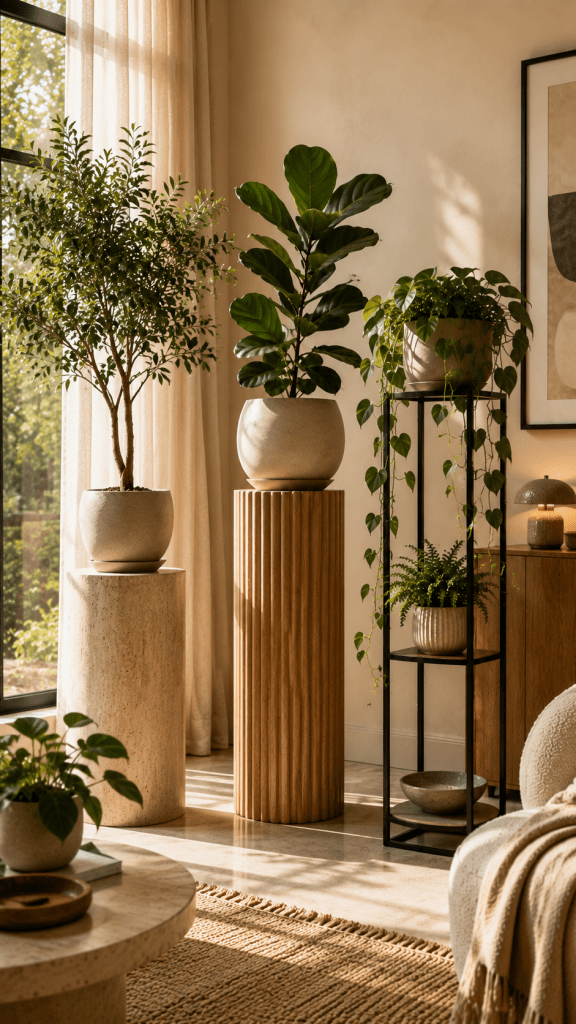
Imagine a beautiful ficus or architectural foliage plant displayed on a cylindrical stone-look pedestal. The elevation gives the plant importance, almost as if it were a sculpture in a gallery.
Pedestals can be made from wood, stone, ceramic, plaster-like materials, concrete, or metal.
The best choice depends on the room.
Travertine-inspired finishes work beautifully in warm contemporary interiors. Dark metal provides stronger contrast in industrial or minimalist rooms. Smooth ivory plaster creates a softer Mediterranean feeling.
The pedestal should be proportional to the plant.
If it is too narrow, the arrangement can look unstable. If it is excessively large, the stand may overpower the foliage.
Experiment with Stone and Travertine Inspired Materials
Stone textures can make a plant display feel especially architectural.
Travertine, limestone, marble-inspired surfaces, and textured concrete introduce weight and permanence that contrast beautifully with living foliage.
A stone pedestal paired with a simple ceramic pot can create a remarkably luxurious effect.
The secret is restraint.
Avoid combining an elaborate stone pattern with an extremely decorative pot and highly complex surrounding décor. Let one or two elements provide the visual interest.
For example, a pale travertine pedestal, matte ivory planter, and sculptural green plant already form a complete composition.
Additional decoration may not be necessary.
Introduce Slim Black Metal for Contemporary Contrast
Black metal stands are excellent for interiors that need more definition.
The dark framework visually outlines the plant and creates contrast against light walls and pale flooring. Because thin metal can support a planter without appearing bulky, it is also useful in minimalist spaces.
Pair matte-black metal with warm materials to prevent the room from becoming too cold.
Natural oak, beige upholstery, linen, warm stone, and handcrafted ceramics can soften the industrial character of metal.
This balance works especially well in contemporary homes where black window frames or lighting fixtures already appear elsewhere.
Repeating that black accent through the plant stand creates visual continuity.
Let One Statement Plant Take Center Stage
Not every stand needs multiple plants.
Sometimes the most powerful arrangement consists of one beautiful plant.
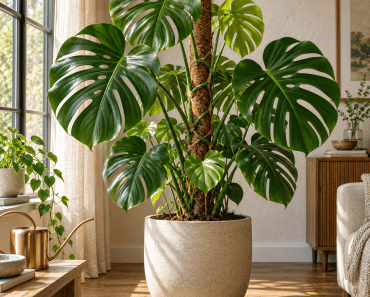
A tall rubber plant, fiddle-leaf fig, ficus, bird-of-paradise-style foliage, or indoor tree can become an architectural feature when elevated appropriately.
Place it where its silhouette can be appreciated.
An empty section of wall, the space beside a console, or a bright living-room corner can provide enough breathing room.
The surrounding area should remain relatively uncluttered.
This allows the irregular organic shape of the foliage to contrast against the clean architecture.
🌿 One strong plant can sometimes have more visual impact than ten small pots.
Use Sculptural Stands in Pairs
For more formal interiors, matching or complementary stands can create symmetry.
Place two pedestal stands on opposite sides of a console, doorway, large window, or fireplace area. The plants do not necessarily need to be identical, but similar scale and visual weight help maintain balance.
For a more contemporary interpretation, use two stands made from the same material but at different heights.
This preserves cohesion without producing perfect symmetry.
The technique works particularly well in entryways because it creates a strong first impression without requiring complicated décor.
How to Choose the Right Plant Stand Height
Height is one of the most overlooked elements when choosing a stand.
The goal is not simply to raise a pot as high as possible. The stand should position the foliage at a visually useful level.
Small plants often benefit from taller stands because otherwise they disappear near the floor. Large plants may require only a short pedestal because their foliage already reaches eye level.
Trailing plants generally benefit from additional elevation.
Their vines need enough vertical room to cascade without immediately touching the floor.
Also consider nearby furniture.
A plant next to a sofa should usually interact visually with the sofa rather than disappearing below the armrest. Near a console table, varying the foliage height can prevent awkward horizontal alignment.
Stand back several meters and examine the entire composition rather than evaluating the plant stand by itself.
Plant Stand Ideas for Different Rooms
Different rooms require different styling strategies.
Living Room
The living room usually offers the greatest flexibility.
Use a medium or tall stand beside a sofa, reading chair, media cabinet, or window. Larger rooms can accommodate sculptural pedestals, while compact living rooms often benefit from slim tiered designs.
Plants can also soften visually hard areas around televisions and electronics.
Instead of surrounding a television with excessive decoration, one carefully placed elevated plant can introduce enough organic contrast.
Bedroom
Bedroom plant stands should contribute to a calm atmosphere.
Natural wood, warm neutrals, and simple ceramics are particularly effective. A small stand beside a dresser or near a window can introduce greenery without turning the bedroom into a dense indoor jungle.
Avoid overcrowding circulation areas.
Bedrooms benefit from visual softness, so a few carefully positioned plants often work better than numerous scattered pots.
Home Office
Plants can help a workspace feel less utilitarian.
A tall narrow stand positioned beside a desk can introduce greenery while preserving valuable desktop space. Tiered stands can also provide a dedicated home for several smaller plants.
Keep the arrangement organized.
Too many objects near the working area can create visual distraction, so prioritize a limited palette of pots and stands.
Entryway
An entryway is ideal for a statement stand.
A sculptural pedestal with one striking plant can create immediate visual impact. Pair it with a mirror, slim console, or subtle lighting fixture for a complete composition.
Because entryways can have challenging light conditions, plant selection should be based carefully on the actual environment.
Balcony or Covered Outdoor Area
Plant stands are equally useful outside when their materials are appropriate for outdoor conditions.
Tiered displays can dramatically increase planting capacity on small balconies. They can be used for ornamental foliage, herbs, or seasonal plants.
Weather resistance is essential.
Outdoor stands should be suitable for moisture, sunlight, and changing temperatures, and their stability should be considered in windy locations.
How to Make Cheap Plant Stands Look More Expensive 💡
Expensive styling does not necessarily require expensive furniture.
Consistency has a major influence on perceived quality.
Start by limiting the number of materials. If the room already contains pale oak, repeating that tone in a plant stand creates intentional continuity.
Then simplify the pots.
A chaotic collection of unrelated plastic and ceramic containers can make even a beautiful stand feel cluttered. Using a coordinated palette immediately improves the arrangement.
This does not mean every pot must match.
Instead, choose two or three related tones—perhaps ivory, terracotta, and muted beige—and repeat them.
Another effective strategy is leaving space around the arrangement.
Luxury interiors rarely depend on filling every available surface. Allowing a beautiful plant to stand independently can make it appear more valuable.
Lighting also matters enormously.
Natural side lighting highlights leaf texture and creates subtle shadows on surrounding walls. In the evening, nearby warm ambient lighting can turn the same arrangement into a dramatic decorative feature.
Common Plant Stand Styling Mistakes to Avoid
One frequent mistake is overcrowding.
Buying a multi-level stand does not mean every centimeter needs to contain a pot. Plants grow, and an arrangement that looks perfectly full today may become congested within months.
Another issue is ignoring scale.
A tiny pot on an enormous pedestal can feel disconnected, while an oversized planter on delicate legs may appear unstable.
Material mismatch can also weaken the design.
A stand does not have to perfectly match the furniture, but it should communicate with something else in the room. This could be the flooring, table legs, window frames, cabinetry, lighting fixtures, or decorative accessories.
Finally, avoid designing exclusively around appearance.
Plants are living elements.
Accessibility for watering, appropriate drainage, sufficient light, air circulation, and room for growth should all remain part of the planning process.
Creating a Layered Indoor Garden with Multiple Plant Stand Ideas 🌱
For larger rooms, the three concepts do not have to remain separate.
They can be combined.
Imagine a bright living room with a tall natural-oak stand beside the window. A narrow tiered plant display occupies a nearby corner, while a sculptural stone pedestal supports one statement plant closer to the seating area.
The stands are different, but they can still feel cohesive.
The key is repetition.
Perhaps the oak stand echoes the coffee table. The stone pedestal repeats the travertine side table. The black framework of the tiered stand connects with black window frames.
This creates a visual language across the room.
Plants then become the element that unifies everything.
Repeating foliage at different heights encourages the eye to move naturally throughout the space, making the room feel greener without concentrating every plant in one location.
Choosing Between the Best 3 Plant Stand Ideas
Choosing the best approach ultimately depends on the room.
For warmth and versatility, 🥇 natural wood plant stands are difficult to beat. They blend effortlessly into a wide variety of interiors and allow foliage to remain the main attraction.
For compact homes, 🥈 tiered vertical plant stands provide the most efficient use of space. They can turn a neglected corner into a lush display while occupying relatively little floor area.
For a more sophisticated decorative statement, 🥉 sculptural plant stands offer the greatest visual impact. Stone pedestals, refined metal frames, and artistic forms can make an individual plant feel like a carefully curated piece of interior design.
There is also no reason to commit to only one style throughout an entire home.
A wooden stand might suit the bedroom, a tiered display could work beautifully in a bright home office, and a stone pedestal could become the focal point of the living room.
Final Thoughts on Plant Stand Ideas
The most successful plant stand ideas are not necessarily the largest, most complicated, or most expensive. Their effectiveness comes from creating the right relationship between plants, height, materials, light, and surrounding furniture.
🥇 Natural wood plant stands offer warmth, flexibility, and timeless appeal. They are especially effective for creating calm organic interiors inspired by Scandinavian, Japandi, and contemporary natural design.
🥈 Tiered vertical plant stands make it possible to create lush greenery even when floor space is limited. By mixing upright plants, cascading foliage, different leaf shapes, and coordinated pots, a simple vertical structure can become an impressive indoor garden.
🥉 Sculptural statement plant stands take the idea further by treating greenery as part of the architecture. Stone, ceramic, metal, and carefully crafted wood pedestals can elevate a single plant into an elegant focal point.
The strongest plant displays also embrace restraint. 🌿 Rather than filling every empty corner with greenery, select locations where plants can contribute something meaningful—softening architecture, introducing height, framing furniture, filling vertical space, or bringing life to an otherwise forgotten corner.
With thoughtful proportions, complementary materials, coordinated planters, and plants suited to the available conditions, even a simple stand can transform an ordinary collection of houseplants into a polished indoor botanical display.