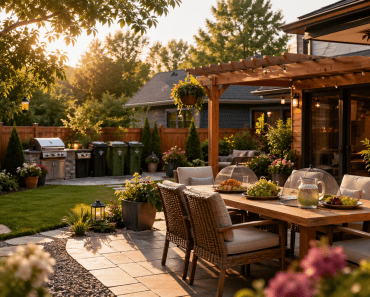
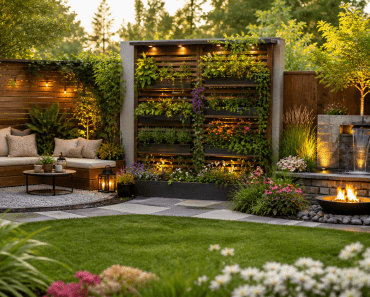
There is something incredibly rewarding about Growing Herbs at home. Whether the space is a sprawling backyard, a cozy balcony, a sunny windowsill, or a small patio, fresh herbs transform everyday cooking while adding beauty, fragrance, and biodiversity to the environment. Better yet, growing herbs is one of the easiest gardening projects for beginners and one of the most satisfying hobbies for experienced gardeners.
The secret to successful Growing Herbs isn’t buying expensive equipment or having years of gardening experience. Instead, success comes from choosing the right herbs, matching them to the right growing conditions, and maintaining simple care routines throughout the seasons. Some herbs thrive in containers, while others become lush landscape features. Certain varieties love full sun, whereas others appreciate partial shade and slightly cooler temperatures.
This guide explores the Best 3 Growing Herbs ideas that consistently deliver impressive harvests, beautiful greenery, and exceptional flavor. These approaches combine practical gardening techniques with attractive garden design, making herb gardening both productive and visually appealing.
🌿 Why Growing Herbs Is One of the Best Gardening Projects
Herbs are among the most versatile plants anyone can grow. Unlike many vegetables, they usually require less space, mature quickly, and continue producing for months or even years.
Some of the biggest advantages include:
- 🌱 Fresh ingredients available every day
- 🌞 Suitable for gardens, balconies, patios, and windowsills
- 🐝 Flowers attract bees, butterflies, and beneficial insects
- 💰 Save money by harvesting instead of constantly buying fresh herbs
- 🍽️ Improve cooking with vibrant flavors
- 🌸 Add color, fragrance, and texture to outdoor spaces
Many herbs also naturally repel certain pests, making them valuable companion plants throughout vegetable gardens.
🥇 Best 1 Mediterranean Herb Garden
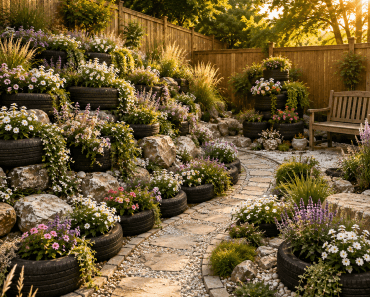
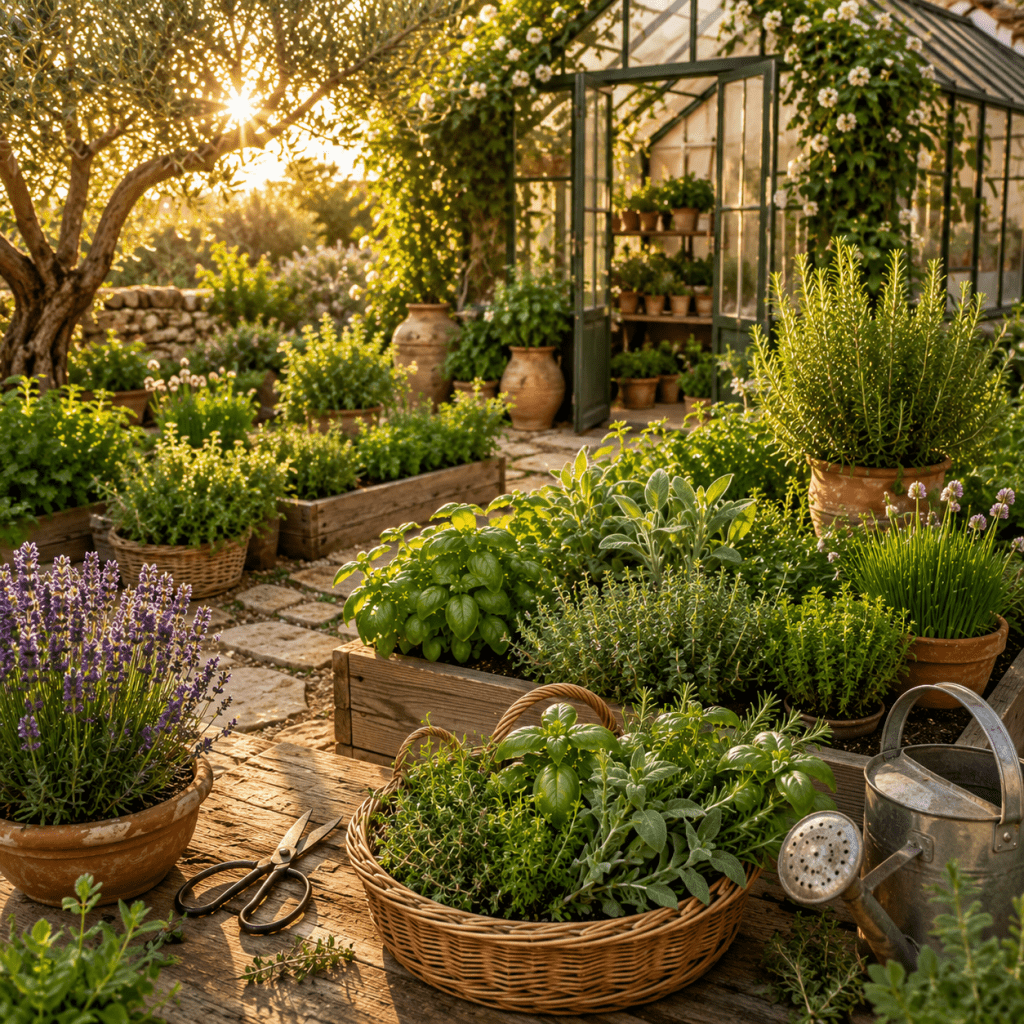
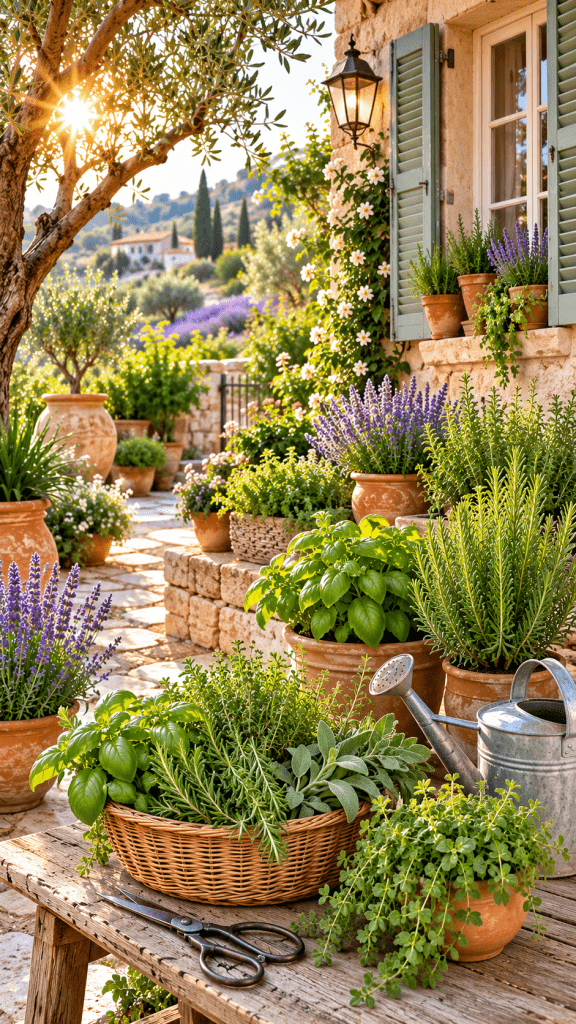
A Mediterranean herb garden remains one of the most timeless and successful ideas for growing herbs. Inspired by southern Europe, this style combines aromatic plants with excellent drainage, abundant sunshine, and drought-tolerant landscaping.
The result is both highly productive and visually stunning.
Mediterranean herbs generally evolved in hot climates with dry summers and rocky soils. Because of this, they prefer conditions that many other garden plants would struggle with. Once established, these herbs typically require less watering and less maintenance while producing abundant foliage rich in essential oils.
🌞 Best Herbs for Mediterranean Growing Herbs
Some of the best choices include:
| Herb | Sun Requirement | Water Needs | Life Cycle | Best Uses |
|---|---|---|---|---|
| Rosemary | Full Sun | Low | Perennial | Roasted dishes, breads |
| Thyme | Full Sun | Low | Perennial | Soups, meats |
| Oregano | Full Sun | Low | Perennial | Pizza, pasta |
| Sage | Full Sun | Low | Perennial | Poultry, stuffing |
| Lavender | Full Sun | Very Low | Perennial | Tea, fragrance, pollinators |
These herbs naturally complement one another because they enjoy nearly identical growing conditions.
The design can be elevated with gravel pathways, terracotta pots, limestone borders, rustic stone walls, and decorative olive trees. This creates a landscape that feels elegant while remaining practical.
🌱 Soil Requirements
Mediterranean herbs dislike soggy soil.
Instead, create loose, fast-draining soil by mixing:
- Coarse sand
- Compost
- Garden soil
- Small gravel
Good drainage prevents root rot and encourages stronger aromatic oils.
💧 Watering Tips
One of the biggest mistakes beginners make is watering herbs too frequently.
Allow the soil to dry slightly between watering sessions. Deep watering every several days is usually healthier than light watering every day.
Important Note: Most culinary herbs develop stronger fragrance and richer flavor when they receive plenty of sunlight and are not overwatered. Slightly drier conditions often encourage higher concentrations of natural essential oils.
🥈 Best 2 Container Growing Herbs Garden
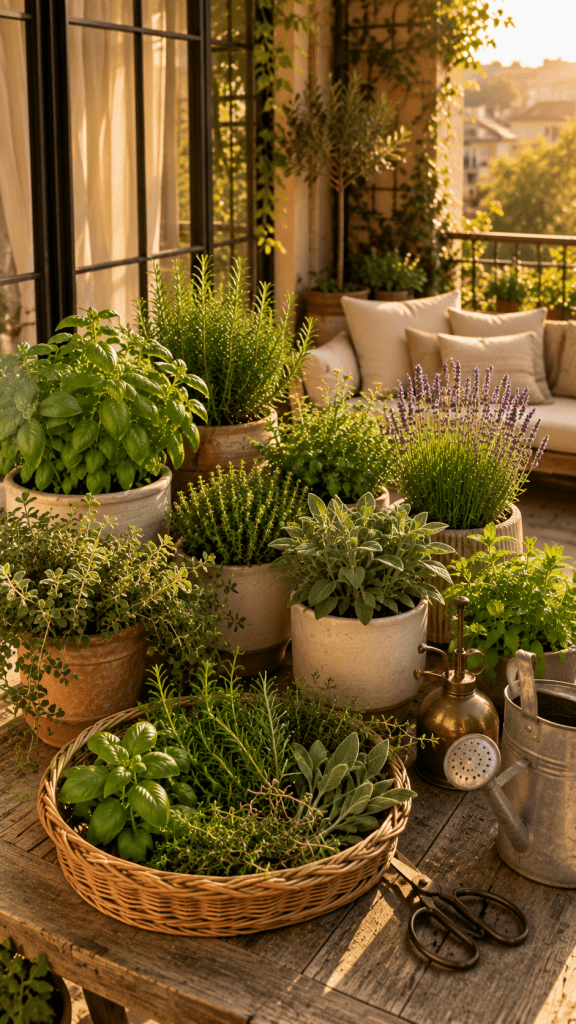
Not everyone has a backyard, but nearly everyone has room for containers.
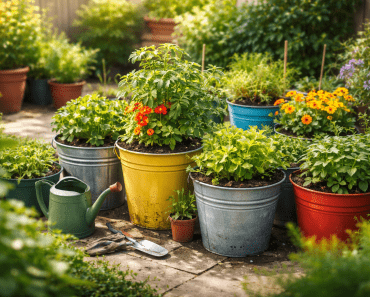
Container gardening makes growing herbs incredibly accessible, allowing fresh ingredients to flourish on balconies, apartment patios, rooftops, decks, and even sunny indoor windows.
This method also gives gardeners complete control over soil quality, watering, and sunlight exposure.
Containers make seasonal rearranging simple. During extremely hot weather, pots can be moved into afternoon shade. During cooler months, they can be relocated into brighter locations.
🪴 Best Herbs for Containers
Many herbs perform exceptionally well in pots.
Some of the easiest include:
| Herb | Recommended Pot Size | Growth Habit |
|---|---|---|
| Basil | 20–30 cm | Upright |
| Parsley | 20–25 cm | Compact |
| Chives | 20 cm | Clumping |
| Cilantro | 20–25 cm | Upright |
| Mint* | 25–30 cm | Spreading |
*Mint should almost always be grown in its own container because it spreads aggressively.
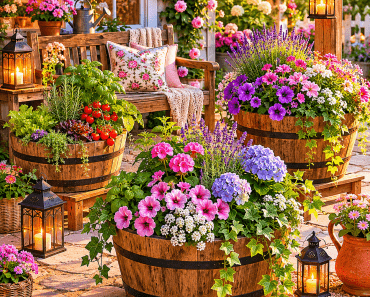
Container herb gardens can become decorative focal points using:
- Ceramic pots
- Wooden planters
- Hanging baskets
- Tiered plant stands
- Window boxes
Grouping pots of varying heights creates an attractive layered appearance while maximizing available space.
☀️ Choosing the Right Location
Most culinary herbs need between six and eight hours of sunlight daily.
South-facing balconies usually produce the best results.
If growing indoors, position containers near bright windows where plants receive direct sunlight for much of the day.
Supplemental grow lights can help during winter or in homes with limited natural light.
🌿 Feeding Container Herbs
Container plants use nutrients more quickly than herbs planted in the ground.
Feed them lightly every few weeks using compost tea or a balanced organic fertilizer.
Avoid excessive nitrogen because rapid leafy growth can dilute flavor intensity.
🥉 Best 3 Companion Growing Herbs Garden
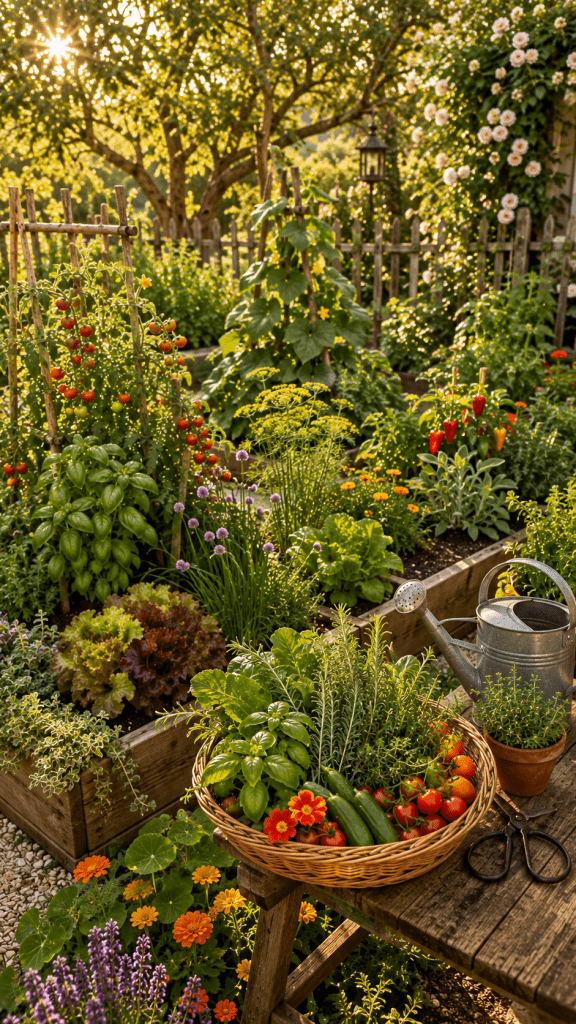
One of the smartest ways to grow herbs is by integrating them throughout vegetable beds and flower gardens.
Rather than separating herbs into their own area, companion planting creates healthier ecosystems where different plants support one another naturally.
This approach encourages biodiversity while reducing certain pest problems.
Many beneficial insects depend on herb flowers for nectar, especially once herbs begin blooming.
🐝 Excellent Companion Herb Combinations
| Herb | Pairs Well With | Main Benefit |
|---|---|---|
| Basil | Tomatoes | Improves garden diversity and attracts pollinators |
| Dill | Cucumbers | Attracts beneficial insects |
| Chives | Carrots | Helps diversify planting |
| Parsley | Roses | Supports beneficial insects |
| Oregano | Peppers | Living ground cover and pollinator attraction |
The diversity of leaf shapes, heights, textures, and flowering periods also creates a garden that appears lush and professionally designed.
Companion planting reduces large empty spaces between crops, allowing gardeners to maximize production without sacrificing beauty.
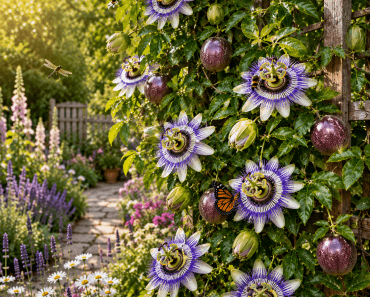
🦋 Supporting Pollinators
Allow a few herbs to flower.
While flowering may slightly reduce leaf production, blossoms provide nectar for:
- Bees
- Butterflies
- Hoverflies
- Ladybugs
- Lacewings
These insects contribute to healthier vegetable harvests and stronger ecosystems.
🍅 Combining Herbs with Vegetables
Popular combinations include:
- Basil around tomatoes
- Thyme bordering raised beds
- Oregano spilling over retaining walls
- Chives around lettuce
- Dill near cucumbers
- Sage beside brassicas
These combinations create visually appealing edible landscapes that remain productive throughout much of the growing season.
🌼 Choosing the Right Herbs for Your Climate
Not every herb performs equally well everywhere.
Understanding climate helps gardeners choose varieties that naturally thrive.
Warm Climates
Excellent choices include:
- Rosemary
- Basil
- Oregano
- Thyme
- Sage
- Lavender
These herbs tolerate heat remarkably well once established.
Cooler Regions
Consider:
- Parsley
- Chives
- Mint
- Cilantro
- Lemon Balm
These herbs appreciate cooler temperatures and often perform best during spring and autumn.
🌞 Understanding Sunlight for Growing Herbs
Light is perhaps the most important factor influencing healthy herb growth.
Most culinary herbs evolved in open landscapes with abundant sunshine.
General recommendations include:
- ☀️ Full sun: 6–8 hours daily
- 🌤️ Partial sun: 4–6 hours daily
- 🌥️ Shade-tolerant herbs: 3–4 hours of filtered sunlight
Insufficient sunlight often results in weak stems, pale leaves, slower growth, and reduced aroma.
Rotating containers every week helps maintain symmetrical growth.
💦 Watering Growing Herbs Correctly
Different herbs have different moisture preferences.
Mediterranean herbs generally prefer drier conditions.
Leafy herbs usually appreciate slightly more consistent moisture.
Good watering habits include:
- Water deeply
- Avoid shallow daily watering
- Check soil before watering
- Water early in the morning
- Ensure excellent drainage
Healthy roots produce healthier leaves.
✂️ Harvesting Growing Herbs for Maximum Production
Proper harvesting encourages continuous growth.
Rather than removing large amounts all at once, harvest regularly throughout the growing season.
General guidelines include:
- Never remove more than one-third of the plant at one time.
- Cut stems just above leaf nodes.
- Harvest in the morning after dew has dried.
- Use clean, sharp scissors.
- Remove flower buds if leaf production is the priority.
Frequent harvesting often results in fuller, bushier plants.
🌱 Common Growing Herbs Mistakes
Even experienced gardeners occasionally make mistakes.
Fortunately, most problems are easy to correct.
🚫 Overwatering
The most common issue.
Roots require oxygen as much as moisture.
🚫 Poor Drainage
Heavy soils trap water around roots.
Raised beds and containers improve drainage significantly.
🚫 Too Little Sun
Herbs become leggy when light is insufficient.
Provide additional sunlight whenever possible.
🚫 Crowded Plants
Good air circulation reduces fungal diseases.
Space herbs according to mature size.
🚫 Ignoring Regular Harvesting
Plants harvested frequently usually produce more new growth.
🌸 Designing a Beautiful Herb Garden
Herb gardens can be both productive and ornamental.
Consider combining:
- Natural stone pathways
- Raised cedar beds
- Gravel mulch
- Terracotta containers
- Decorative edging
- Wooden plant markers
- Pollinator flowers
- Small garden benches
Mix upright herbs like rosemary with mounding oregano, trailing thyme, airy dill, and soft chives to create layered visual interest.
Adding edible flowers such as calendula and nasturtiums further enhances both beauty and biodiversity.
🌿 Final Thoughts
Growing herbs is one of the most enjoyable ways to combine gardening, cooking, sustainability, and landscape design. From fragrant Mediterranean plantings to compact container gardens and thriving companion planting systems, there is a herb-growing style suitable for every home and every skill level.
Choosing the Best 3 Growing Herbs ideas provides a reliable foundation for long-term success. A sunny location, well-draining soil, thoughtful watering, and regular harvesting are often all that is needed to enjoy months of abundant greenery and flavorful harvests.
Whether the goal is creating a productive kitchen garden, enhancing a decorative landscape, or simply enjoying fresh herbs for everyday meals, growing herbs delivers lasting rewards. Every new leaf harvested reflects a simple investment of care, transforming even the smallest space into a vibrant, aromatic retreat filled with life, beauty, and delicious possibilities.