The moon valley friendship plant is one of those rare houseplants that instantly captures attention without needing bright flowers or dramatic size. Its deeply textured leaves, rich green color, and compact growth habit make it a favorite among indoor plant lovers. Even better, the moon valley friendship plant is beginner-friendly, easy to propagate, and versatile enough to fit almost any decorating style.
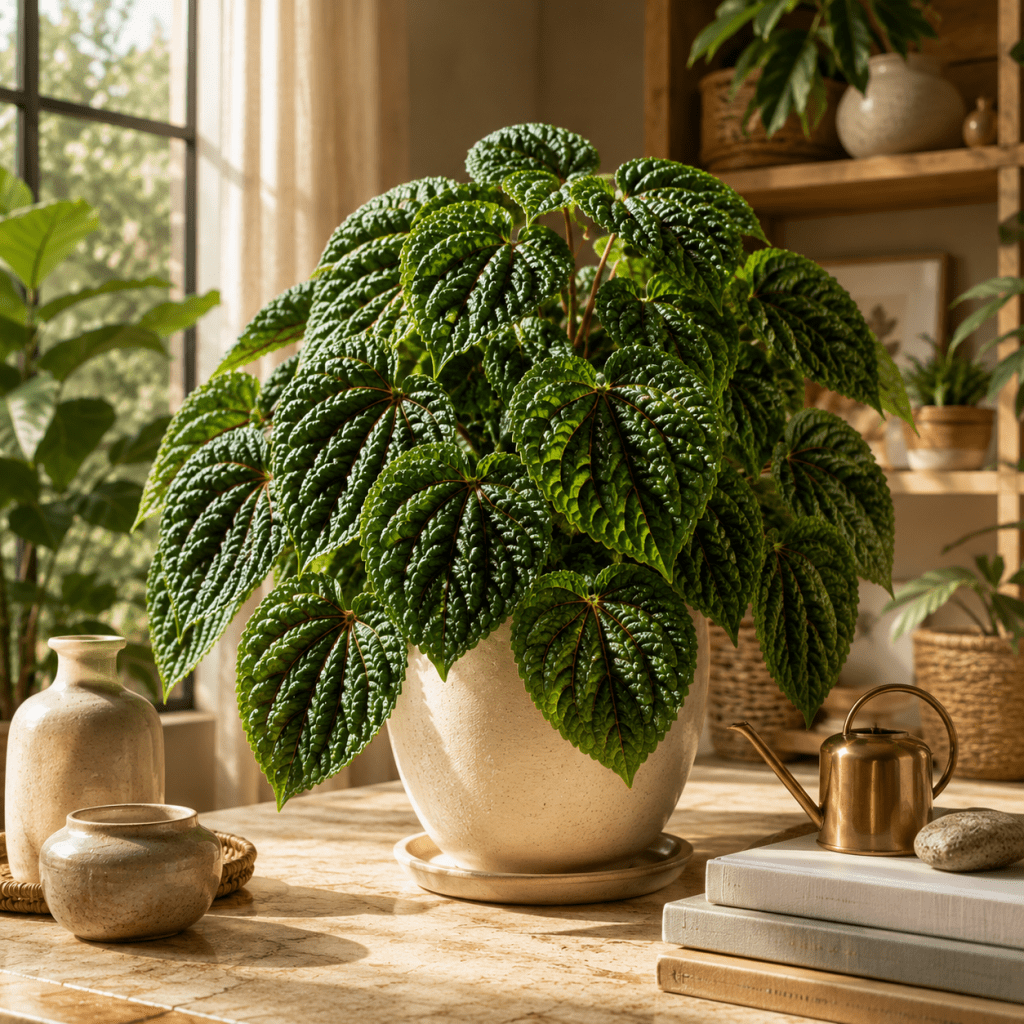
Whether you’re creating a lush indoor jungle, refreshing a cozy reading nook, or searching for the perfect gift for another plant enthusiast, this charming tropical plant offers countless possibilities. 🌿 In this guide, you’ll discover the Best 3 moon valley friendship plant ideas, practical care tips, styling inspiration, propagation techniques, and common mistakes to avoid so your plant remains healthy for years.
What Is a Moon Valley Friendship Plant
The moon valley friendship plant (Pilea mollis, often sold as Pilea involucrata ‘Moon Valley’) is a tropical houseplant admired for its unique quilted foliage. Native to Central and South America, it belongs to the nettle family (Urticaceae), although it has none of the irritating properties commonly associated with stinging nettles.
Its nickname comes from the dramatic valleys and ridges across each leaf. The deeply textured surface creates beautiful shadows, making every leaf appear almost sculpted. Combined with bronze-colored veins and bright green foliage, the plant looks surprisingly luxurious despite being very affordable.
Unlike many tropical plants that require constant attention, this species adapts well to average indoor environments when given moderate humidity, indirect light, and evenly moist soil. This combination of beauty and easy maintenance explains why it continues gaining popularity among beginner and experienced plant collectors alike.
Why the Moon Valley Friendship Plant Is Becoming So Popular 🌱
Indoor gardening has evolved far beyond simply keeping a few green plants on a windowsill. Today, people look for plants that function as living décor while remaining manageable for busy lifestyles.
The moon valley friendship plant checks every box.
Some of its biggest advantages include:
| Feature | Why It Matters |
|---|---|
| Highly textured foliage | Creates visual interest without flowers |
| Compact size | Fits desks, shelves, apartments, and offices |
| Easy propagation | Perfect for sharing with friends |
| Beginner friendly | Forgiving with proper watering |
| Fast growing | Quickly fills small decorative pots |
| Pet-sized appearance | Excellent accent among larger houseplants |
Because the leaves naturally catch light from different angles, the plant photographs exceptionally well. 📷 This explains why it frequently appears in interior design magazines, Pinterest inspiration boards, and social media home décor collections.
How to Recognize a Healthy Moon Valley Friendship Plant
Before decorating with this beautiful plant, it helps to understand what healthy growth looks like.
A thriving specimen should have:
- 🌿 Bright emerald-green leaves
- 🌿 Deeply wrinkled texture
- 🌿 Strong reddish-brown veins
- 🌿 Upright stems
- 🌿 Compact, bushy growth
- 🌿 No yellowing or curling foliage
Young plants often appear smaller than expected, but they grow quickly when placed in ideal conditions.
Healthy leaves feel firm instead of limp. Since the dramatic leaf texture is one of the plant’s defining characteristics, flat or unusually smooth leaves may indicate insufficient lighting.
Best 3 Moon Valley Friendship Plant Ideas
Choosing the right location dramatically changes how impressive this plant looks. Because its foliage is so richly textured, placement matters almost as much as care.
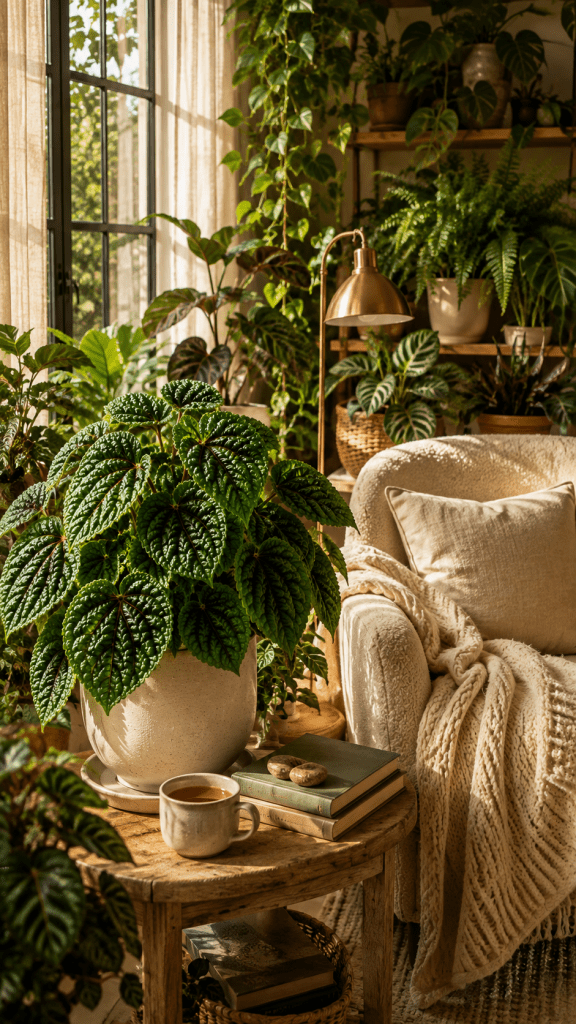
🥇 1. Create a Cozy Reading Corner Jungle
A moon valley friendship plant looks stunning beside comfortable seating.
Place it on:
- Wooden side tables
- Floating bookshelves
- Vintage plant stands
- Small woven baskets
- Window benches
Pair it with:
- Golden pothos
- Philodendron
- Calathea
- Ferns
- Peace lilies
The contrasting leaf shapes create depth while maintaining a relaxing atmosphere.
Adding warm lighting nearby emphasizes the valleys and ridges across the leaves during evening hours.
This arrangement works especially well in Scandinavian, Japandi, modern organic, and cottage-inspired interiors.
🥈 2. Design a Layered Indoor Plant Shelf
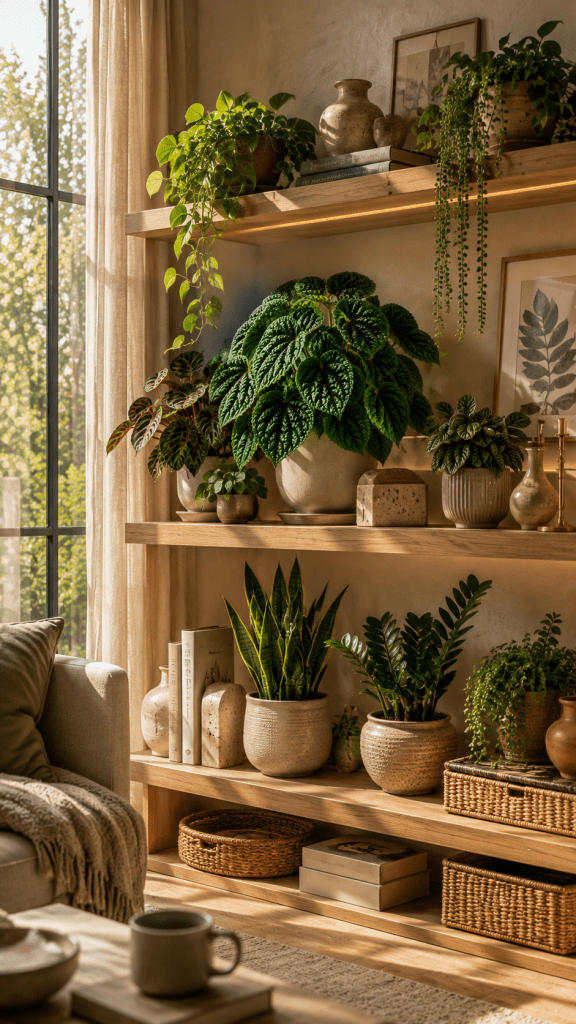
Instead of displaying a single large plant, build an eye-catching shelf using multiple foliage textures.
Arrange plants by height:
Top Shelf
- Hanging pothos
- String of pearls
Middle Shelf
- Moon valley friendship plant
- Prayer plant
- Peperomia
Bottom Shelf
- Snake plant
- ZZ plant
The moon valley friendship plant naturally becomes the focal point because of its dramatic leaf texture.
Mixing ceramic pots, woven baskets, and wooden shelving creates an elegant, designer-inspired display.
Adding soft indirect lighting further enhances the leaf details throughout the day.
🥉 3. Grow Multiple Plants as a Living Table Centerpiece
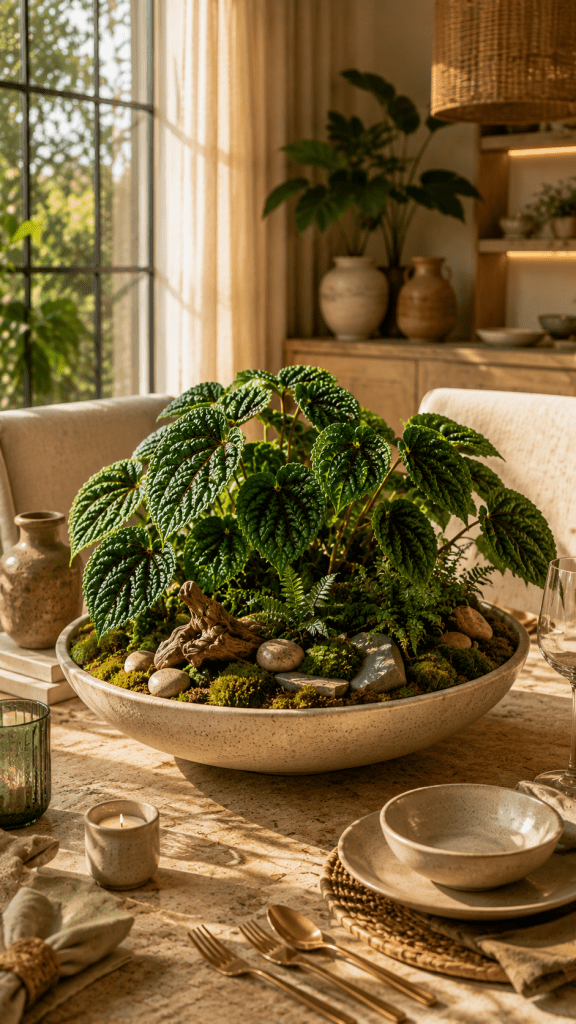
Rather than using cut flowers that last only a week, create a permanent centerpiece.
Combine several moon valley friendship plants inside:
- Rustic wooden trays
- Shallow ceramic bowls
- Decorative terracotta planters
- Handmade pottery
Surround them with:
- Moss
- Decorative stones
- Small driftwood pieces
- Miniature ferns
The result resembles a tiny tropical forest that continually grows more beautiful over time.
This centerpiece becomes an excellent conversation starter for dining tables, coffee tables, or home offices.
Understanding Moon Valley Friendship Plant Light Requirements ☀️
Light is one of the biggest factors affecting appearance.
The ideal location provides bright indirect sunlight.
Examples include:
- East-facing windows
- North-facing windows
- Bright rooms with sheer curtains
- Several feet away from south-facing windows
Avoid harsh afternoon sun because it may scorch the delicate leaves.
Likewise, placing the plant in dark corners often leads to slower growth and faded coloration.
A useful guideline is that if the room feels comfortably bright without direct sun hitting the leaves, it is probably suitable.
Watering the Moon Valley Friendship Plant Correctly 💧
Watering is where many beginners accidentally damage their plants.
The soil should remain lightly moist without becoming soggy.
A simple routine includes:
- Check the top inch of soil.
- Water only when it begins drying.
- Empty decorative cachepots after watering.
- Never allow roots to sit in standing water.
Seasonal watering also changes.
| Season | Watering Frequency |
|---|---|
| Spring | Moderate |
| Summer | Slightly more frequent |
| Autumn | Moderate |
| Winter | Less frequent |
Rather than watering on a fixed schedule, observe the soil first.
This approach prevents both underwatering and overwatering.
Important Note: Overwatering is the most common reason a moon valley friendship plant declines. Always let the top layer of soil begin drying before watering again, and make sure the pot has proper drainage holes.
Choosing the Best Soil Mix
Although the plant enjoys moisture, it dislikes compacted soil.
An ideal potting mix combines:
- High-quality indoor potting soil
- Perlite
- Coco coir
- Fine orchid bark
This mixture allows water retention while keeping plenty of oxygen around the roots.
Heavy garden soil should be avoided because it stays wet for too long indoors.
Temperature and Humidity Needs 🌡️
Coming from tropical forests, the moon valley friendship plant naturally appreciates warm temperatures.
Ideal conditions include:
- Temperature: 18–27°C (65–80°F)
- Moderate to high humidity
- Good airflow
- Stable indoor temperatures
Dry indoor heating during winter may reduce humidity significantly.
Simple ways to increase humidity include:
- Grouping plants together
- Using a humidifier
- Placing water trays nearby
- Keeping plants away from heating vents
Fortunately, the plant generally adapts well to average household humidity when other care conditions are appropriate.
Fertilizing for Faster Growth
The moon valley friendship plant does not require heavy feeding.
During spring and summer, apply a balanced liquid fertilizer every four to six weeks.
Reduce feeding during autumn.
Skip fertilizer almost entirely during winter while growth naturally slows.
Too much fertilizer often produces weak stems instead of healthier foliage.
Consistency is more important than quantity.
How to Propagate a Moon Valley Friendship Plant 🌿
One reason this species earned the name “friendship plant” is its ease of sharing.
Propagation is simple enough for almost anyone.
Step 1
Choose a healthy stem with several leaves.
Step 2
Cut below a leaf node using sterilized scissors.
Step 3
Remove the lowest leaves.
Step 4
Place the cutting into water or moist soil.
Step 5
Provide bright indirect light.
Step 6
Wait for roots to develop before transplanting.
Within several weeks, the cutting usually establishes itself and begins producing fresh growth.
Sharing propagated plants makes thoughtful gifts for birthdays, housewarming celebrations, or fellow gardening enthusiasts.
Common Problems and Easy Solutions
Even healthy plants occasionally experience issues.
| Problem | Possible Cause | Solution |
|---|---|---|
| Yellow leaves | Overwatering | Allow soil to dry slightly |
| Brown edges | Low humidity | Increase humidity |
| Drooping stems | Dry soil | Water thoroughly |
| Pale leaves | Insufficient light | Move to brighter indirect light |
| Leggy growth | Too little light | Rotate closer to window |
| Mushy stems | Root rot | Repot into fresh soil |
Most problems can be corrected quickly once the underlying cause is identified.
Observing the leaves regularly helps detect issues before they become severe.
Best Companion Plants for the Moon Valley Friendship Plant 🌿
The moon valley friendship plant pairs beautifully with many other tropical houseplants because its heavily textured leaves contrast with smoother foliage.
Excellent companions include:
Calathea
The patterned leaves of Calathea complement the sculpted texture of the moon valley friendship plant while enjoying similar humidity and lighting conditions.
Peperomia
Compact peperomia varieties create interesting differences in leaf size and shape without competing for attention.
Pothos
Trailing pothos vines soften shelves and plant stands while adding movement around the upright friendship plant.
Ferns
The delicate fronds of Boston or maidenhair ferns contrast beautifully against the deeply quilted leaves.
Philodendron
Heart-shaped philodendron leaves provide a softer visual balance that enhances the dramatic appearance of the moon valley friendship plant.
Mixing several foliage textures creates displays that look professionally designed while remaining easy to maintain.
Decorating Styles That Highlight the Moon Valley Friendship Plant
One reason interior designers appreciate this plant is its flexibility across many decorating styles.
Modern Organic
Pair the plant with oak furniture, linen textiles, natural stone, and handmade ceramics to create a calm, earthy atmosphere.
Japandi
Minimalist shelving, neutral colors, and uncluttered spaces allow the plant’s sculptural leaves to become the visual centerpiece.
Cottage Style
Place the plant in aged terracotta or vintage ceramic pots surrounded by woven baskets, antique books, and soft floral fabrics.
Bohemian
Layer it with macramé hangers, rattan furniture, colorful rugs, and numerous other tropical plants for a relaxed indoor jungle.
Contemporary
Choose sleek matte-black or white ceramic planters with clean lines to emphasize the plant’s bold texture.
Regardless of style, leaving enough visual space around the plant helps its unique foliage stand out instead of blending into the background.
Seasonal Care Tips Throughout the Year
Although relatively easy to maintain, the moon valley friendship plant benefits from slight seasonal adjustments.
Spring 🌸
Spring is the season of active growth. Increase watering gradually, begin monthly fertilizing, and consider repotting if roots have filled the container.
Summer ☀️
The plant grows vigorously in warm weather but may require more frequent watering. Protect it from intense afternoon sunlight, especially near south-facing windows.
Autumn 🍂
Growth slows naturally. Reduce fertilizer and continue monitoring soil moisture, allowing slightly longer drying periods between watering sessions.
Winter ❄️
Indoor heating often lowers humidity. Keep the plant away from cold drafts and heat vents while watering less frequently. Maintaining stable temperatures is more important than encouraging rapid growth during this season.
Adjusting care according to the seasons helps the plant remain healthy without unnecessary stress.
Frequently Asked Questions About the Moon Valley Friendship Plant
Is the moon valley friendship plant suitable for beginners?
Absolutely. Its forgiving nature, compact size, and straightforward care requirements make it an excellent first houseplant for anyone beginning an indoor gardening journey.
How large does it grow?
Most indoor specimens remain between 20 and 30 cm (8–12 inches) tall and wide, making them perfect for desks, shelves, and small apartments.
Does it produce flowers?
Yes, but the flowers are tiny and relatively inconspicuous. Most gardeners grow the plant for its spectacular foliage rather than its blooms.
How often should it be repotted?
Generally every one to two years, or whenever roots begin circling the pot or emerging from the drainage holes.
Why is it called a friendship plant?
The nickname reflects how easily it can be propagated and shared with family, friends, and fellow plant enthusiasts. A single healthy plant can produce many new plants over time.
Final Thoughts
The moon valley friendship plant proves that spectacular houseplants do not need enormous leaves or colorful flowers to make a lasting impression. Its deeply textured foliage, compact habit, and simple care requirements combine beauty with practicality, making it suitable for beginners and experienced collectors alike.
Whether you choose to create a relaxing reading corner, design a layered indoor plant shelf, or build a living tabletop centerpiece, this remarkable tropical plant offers endless decorative possibilities. 🌿 By providing bright indirect light, evenly moist but well-draining soil, moderate humidity, and occasional feeding, your moon valley friendship plant can thrive for years while bringing vibrant texture and natural elegance into your home.
Among countless indoor plants available today, few deliver such a perfect balance of unique appearance, easy maintenance, and effortless charm. If you’re looking for a houseplant that stands out without demanding constant attention, the moon valley friendship plant is a beautiful choice that never goes out of style.