Few plants capture timeless beauty quite like Bonsai Trees. These miniature living masterpieces combine art, patience, and nature into one breathtaking display, making them one of the most admired indoor and outdoor plants in the world. Whether placed on a sunny windowsill, a stylish office desk, or a peaceful garden patio, Bonsai Trees instantly create an atmosphere of elegance and tranquility.
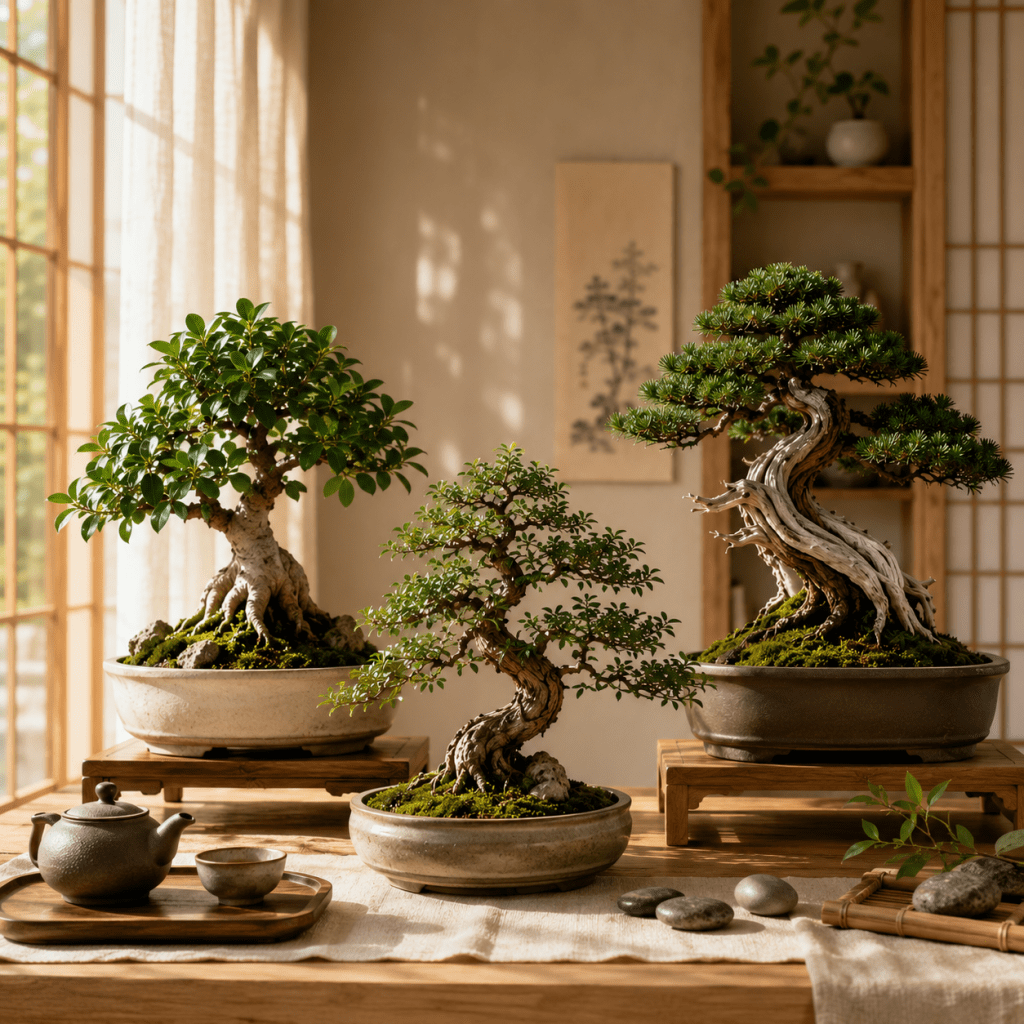
Unlike ordinary houseplants, Bonsai Trees tell a story. Every carefully shaped branch, textured trunk, and delicate leaf reflects years of thoughtful care and artistic craftsmanship. While many people believe bonsai is difficult to grow, choosing the right species makes the experience surprisingly enjoyable—even for complete beginners.
If you’re searching for the perfect miniature tree to start your bonsai journey or simply want to add a luxurious natural accent to your home, these three outstanding options deserve a place at the top of your list.
🌿 Why Bonsai Trees Never Go Out of Style
Bonsai is far more than simply growing a small tree in a shallow container. It is a centuries-old art form focused on recreating the appearance of mature trees found in nature while maintaining them in miniature form.
Today, Bonsai Trees are appreciated worldwide because they effortlessly combine interior design, gardening, and mindful living. They work equally well in modern apartments, Scandinavian interiors, Japanese-inspired homes, luxury offices, and outdoor meditation gardens.
Some of the biggest reasons people love Bonsai Trees include:
- 🌱 Living works of art
- 🏡 Perfect for small spaces
- 🌞 Suitable for indoor or outdoor display depending on species
- 💚 Encourage mindfulness and patience
- ✨ Increase the visual appeal of any room
- 🎁 Make unforgettable gifts
One of the greatest misconceptions is that bonsai refers to a specific type of tree. In reality, bonsai is a growing technique. Hundreds of different tree species can become bonsai, each offering unique characteristics, growth habits, and levels of care.
📊 Best 3 Bonsai Trees Comparison
| Rank | Bonsai Tree | Difficulty | Best For | Indoor/Outdoor | Growth Speed | Visual Appeal |
|---|---|---|---|---|---|---|
| 🥇 Best 1 | Ficus Bonsai | Easy | Beginners | Indoor | Moderate | ⭐⭐⭐⭐⭐ |
| 🥈 Best 2 | Chinese Elm Bonsai | Easy to Moderate | Everyday Growers | Indoor & Outdoor | Moderate | ⭐⭐⭐⭐⭐ |
| 🥉 Best 3 | Japanese Juniper Bonsai | Moderate | Traditional Bonsai Lovers | Outdoor | Slow | ⭐⭐⭐⭐⭐ |
🥇 Best 1 Ficus Bonsai
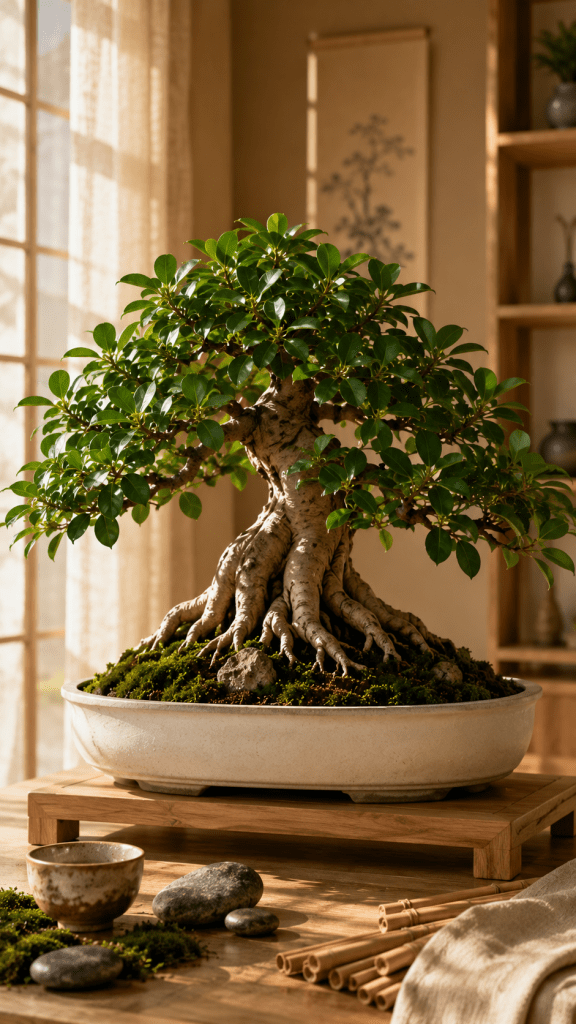
Among all Bonsai Trees available today, the Ficus Bonsai remains the number one recommendation for beginners and experienced collectors alike. It is incredibly forgiving, adapts well to indoor environments, and develops a thick, impressive trunk that looks much older than its actual age.
The glossy green leaves create a lush canopy throughout the year, making the tree attractive regardless of the season. Unlike many traditional bonsai species that require cold winters or outdoor dormancy, Ficus Bonsai thrives in warm indoor temperatures, making it ideal for apartments and offices.
Another reason for its popularity is resilience. Even if watering mistakes happen occasionally, the tree often recovers quickly when proper care resumes.
🌞 Light Requirements
Bright indirect sunlight is ideal.
Morning sunlight encourages healthy leaf growth without causing excessive stress during hot afternoons.
A position near east- or south-facing windows often produces excellent results.
💧 Watering
Water thoroughly whenever the top layer of soil begins to dry.
Avoid allowing the roots to sit continuously in water, as this may cause root rot.
Healthy drainage is just as important as proper watering frequency.
✂️ Pruning
Regular pruning keeps the canopy compact while encouraging new branches to develop.
Over time, careful trimming creates the illusion of an ancient mature tree despite the bonsai’s miniature size.
🥈 Best 2 Chinese Elm Bonsai
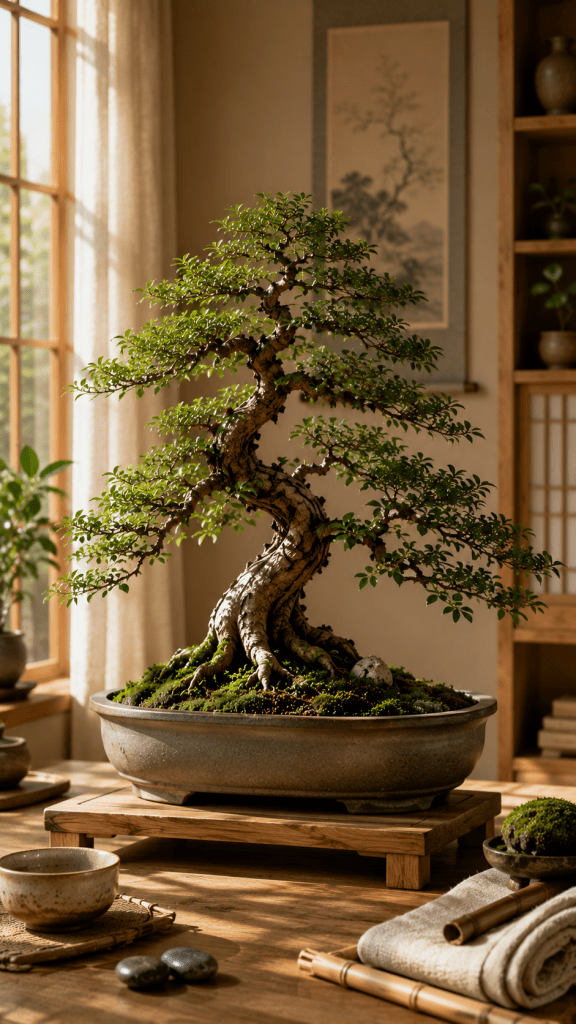
Chinese Elm Bonsai has earned an outstanding reputation because of its remarkable adaptability. It can grow indoors in bright conditions or outdoors in temperate climates, making it one of the most versatile Bonsai Trees available.
Its naturally small leaves create exceptionally fine branch structure, producing the classic bonsai appearance admired in exhibitions and botanical collections.
The bark gradually develops fascinating texture with age, adding even more visual character.
Many enthusiasts appreciate how quickly Chinese Elm responds to pruning. Frequent trimming results in dense branching that gives the tree an elegant silhouette.
🍃 Seasonal Beauty
Depending on climate, Chinese Elm may display beautiful seasonal color changes.
Fresh bright green foliage appears in spring before transitioning into richer tones later in the growing season.
Some varieties even develop golden autumn colors before shedding leaves.
🌱 Maintenance
Chinese Elm responds well to regular feeding during active growth.
Balanced fertilizer every few weeks supports vigorous development while maintaining healthy foliage.
Pruning should focus on preserving natural branch movement rather than forcing unnatural shapes.
🥉 Best 3 Japanese Juniper Bonsai
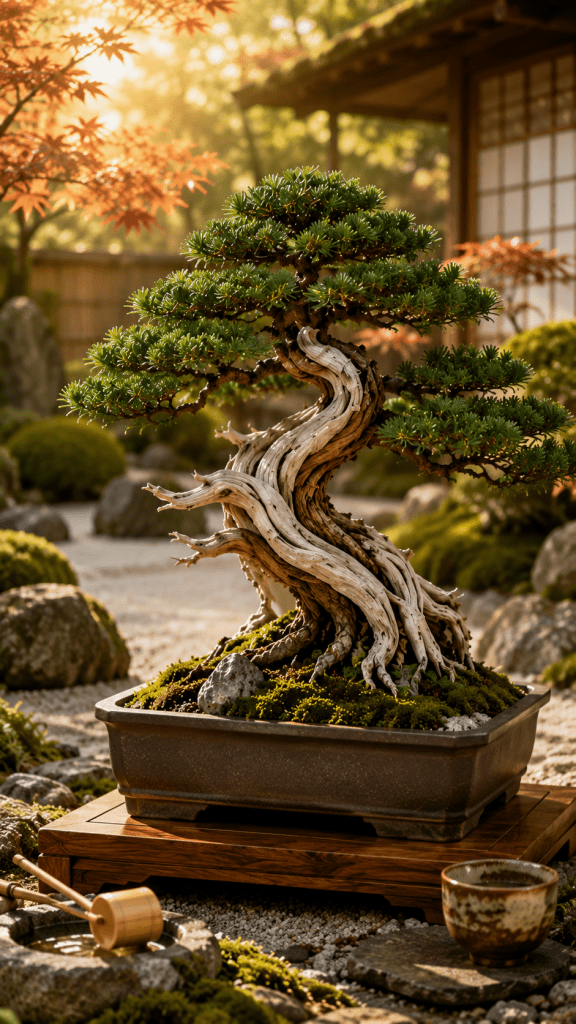
For anyone dreaming of the classic bonsai image seen in Japanese gardens, Japanese Juniper is often the first choice.
Its evergreen needle-like foliage, naturally twisted branches, and rugged bark create dramatic visual impact throughout the year.
Unlike indoor tropical bonsai, Juniper Bonsai performs best outdoors where it experiences changing seasons.
Over time, its trunk develops extraordinary character that cannot easily be replicated by younger plants.
This slow transformation is precisely what makes Juniper one of the most rewarding Bonsai Trees to cultivate.
🌲 Outdoor Excellence
Japanese Juniper appreciates full sunlight.
Good airflow and natural weather conditions strengthen both roots and foliage.
Outdoor environments also encourage natural seasonal growth cycles.
🎨 Traditional Styling
Juniper responds beautifully to wiring techniques.
Branches can be gently shaped into graceful cascading or windswept forms that imitate mature mountain trees.
These artistic styles have become iconic in traditional Japanese bonsai culture.
Important Note: Never assume all Bonsai Trees are indoor plants. While tropical species like Ficus thrive inside the home, many traditional bonsai—including Juniper—require outdoor seasonal conditions to remain healthy for many years.
🌸 How to Choose the Right Bonsai Trees
Choosing the perfect bonsai depends on more than appearance alone.
The best tree is one that matches both your environment and the amount of time you can dedicate to maintenance.
👶 Beginners
If this is your first bonsai, prioritize forgiving species.
Ficus and Chinese Elm both tolerate occasional mistakes while still rewarding owners with attractive growth.
🏡 Indoor Homes
Homes with consistent temperatures generally perform best with tropical bonsai.
Bright windows and moderate humidity provide excellent growing conditions.
🌳 Outdoor Gardens
Outdoor gardeners have access to a much wider variety of species.
Juniper, Pine, Maple, and many deciduous trees naturally benefit from seasonal weather.
⏰ Busy Lifestyles
Choose slower-growing species that require less frequent pruning.
Consistent but simple care routines usually produce healthier long-term results than complicated maintenance schedules.
💚 Essential Bonsai Trees Care Tips
Healthy bonsai depend on consistency more than perfection.
Understanding a few basic principles dramatically improves long-term success.
💦 Water Carefully
Water according to soil moisture rather than following a fixed schedule.
Season, temperature, humidity, container size, and tree species all influence watering frequency.
Always check the soil before adding more water.
☀️ Provide Enough Light
Insufficient light remains one of the most common causes of weak bonsai.
Healthy foliage, shorter internodes, and compact growth all depend on adequate sunlight.
Indoor growers may supplement natural light with quality grow lights when necessary.
🌱 Use Proper Bonsai Soil
Ordinary potting mix often retains excessive moisture.
Specialized bonsai soil promotes excellent drainage while allowing roots to receive sufficient oxygen.
Healthy roots produce healthy trees.
✂️ Prune Regularly
Pruning encourages branching and preserves miniature proportions.
Instead of allowing long uncontrolled shoots, remove new growth selectively throughout the growing season.
This gradual approach produces natural-looking trees with balanced structure.
🍀 Feed During Active Growth
Because bonsai grow in relatively small containers, nutrients become depleted more quickly than in garden soil.
Regular fertilizing supports healthy leaves, roots, and branch development.
Reduce feeding during winter dormancy for species requiring seasonal rest.
🎨 Popular Bonsai Styles
One reason Bonsai Trees remain endlessly fascinating is the incredible variety of artistic styles.
Every design reflects different natural landscapes and environmental conditions.
🌳 Formal Upright
A perfectly straight trunk symbolizes strength, stability, and maturity.
This elegant style works especially well with symmetrical branching.
🌬 Windswept
Branches appear permanently shaped by powerful mountain winds.
The dramatic movement creates remarkable visual storytelling.
💧 Cascade
The trunk extends below the container, imitating trees growing from cliffs overlooking rivers or oceans.
Cascade bonsai often become stunning conversation pieces.
🌿 Informal Upright
Gentle curves produce a more relaxed, natural appearance.
This remains one of the most common styles because it closely resembles trees found in forests.
🏡 Decorating with Bonsai Trees
Bonsai fit effortlessly into nearly every design style.
Their sculptural forms act as natural focal points while adding sophistication without overwhelming surrounding décor.
In minimalist interiors, a single bonsai displayed on a wooden shelf creates instant elegance.
Scandinavian homes benefit from the contrast between soft neutral furnishings and vibrant green foliage.
Modern offices become more welcoming with one carefully placed bonsai on a desk or reception counter.
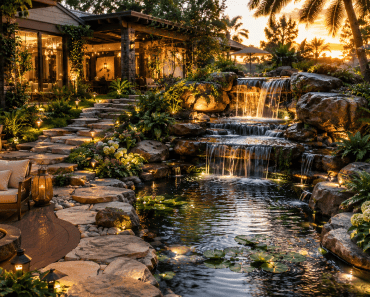
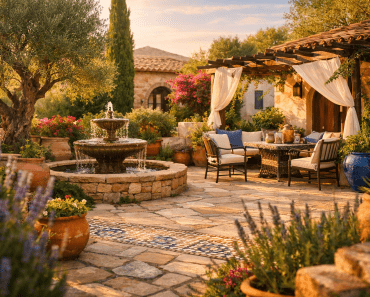
Outdoor patios gain a peaceful atmosphere when bonsai are arranged alongside stone pathways, water features, and natural wood furniture.
Even small apartments can enjoy the calming influence of bonsai because these miniature trees occupy very little space while delivering significant visual impact.
🌎 Why Bonsai Trees Continue Growing in Popularity
The renewed interest in wellness, slow living, and mindful design has introduced Bonsai Trees to an entirely new generation of plant lovers.
People increasingly seek hobbies that reduce stress while bringing nature indoors.
Bonsai fulfills both goals beautifully.
Unlike fast-changing decorating trends, bonsai become more valuable with age.
Each passing year enhances trunk texture, branch refinement, and overall character.
Rather than replacing an older bonsai, owners celebrate its gradual transformation.
This long-term relationship between gardener and tree creates a sense of accomplishment rarely found in other decorative plants.
Many collectors even pass treasured bonsai from one generation to the next, turning them into meaningful family heirlooms that continue growing for decades.
🌟 Final Thoughts
The beauty of Bonsai Trees lies not only in their miniature size but also in their remarkable ability to capture the grandeur of nature within a compact living sculpture.
Whether you choose the beginner-friendly Ficus Bonsai, the adaptable Chinese Elm Bonsai, or the timeless elegance of Japanese Juniper Bonsai, each offers its own unique charm and rewarding growing experience.
By selecting the right species, providing consistent care, and embracing the patience that bonsai naturally teaches, anyone can cultivate a stunning tree that becomes even more beautiful over time. More than just decorative plants, Bonsai Trees represent harmony, craftsmanship, and a lasting connection with nature—qualities that make them one of the most inspiring additions to any home or garden.