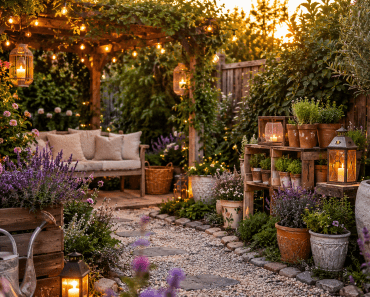
Creating a raised garden bed layout is one of the smartest ways to transform an ordinary backyard into a highly productive and beautiful growing space. Whether the goal is harvesting fresh vegetables, growing herbs, or creating a thriving edible landscape, a thoughtful raised garden bed layout can make gardening easier, more organized, and far more rewarding. 🌱
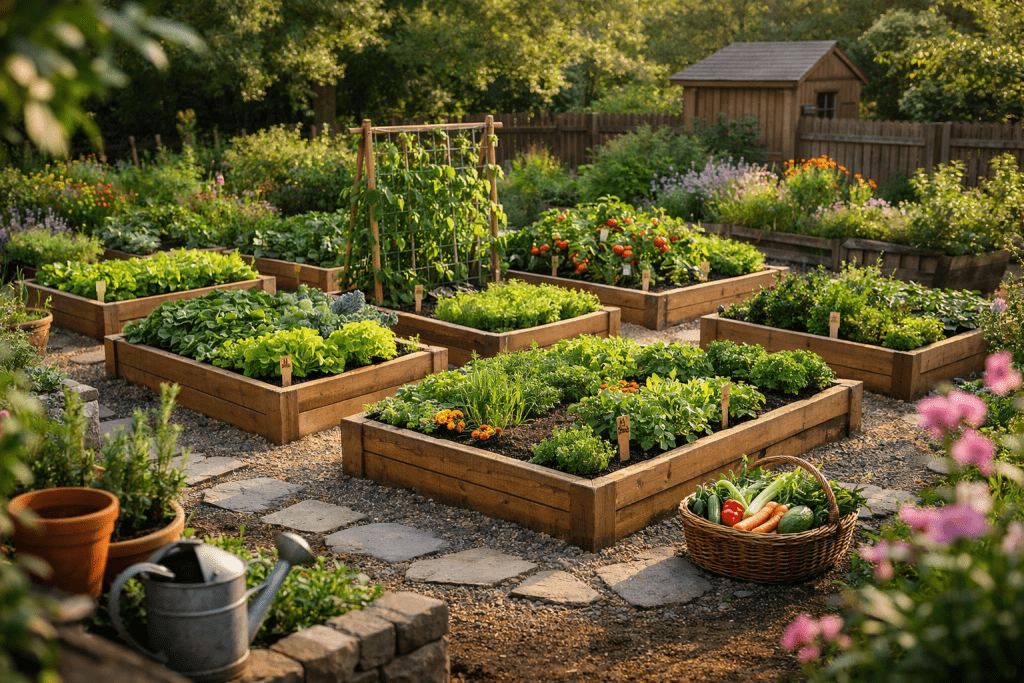
Many gardeners start by simply building a raised bed and planting whatever they like, but the real magic happens when the layout is planned carefully. The way garden beds are arranged affects sunlight exposure, plant health, accessibility, watering efficiency, and even harvest yields. With the right structure, a small garden can produce an incredible amount of food while remaining easy to maintain.
Raised beds are especially popular because they solve many common gardening problems. Poor soil quality, drainage issues, weeds, and compacted ground can all be minimized when plants grow in well-designed beds filled with nutrient-rich soil. In addition, raised beds warm up faster in spring, making it possible to start planting earlier in the season. 🌼
Another advantage of a thoughtful garden layout is improved space efficiency. Instead of random planting, beds can be arranged to create organized pathways, companion planting zones, and micro-climates for different crops. This approach helps maximize productivity while keeping the garden visually pleasing and easy to manage.
In this article, we explore the Best 3 raised garden bed layout ideas that combine practicality, beauty, and productivity. Each design offers a different style of garden organization, allowing gardeners to choose a layout that matches their available space, gardening goals, and personal aesthetic.
Best 3 Raised Garden Bed Layout Ideas for a Highly Productive Garden
Designing a raised garden bed layout involves more than just placing wooden boxes on the ground. The arrangement of beds, pathways, plant groupings, and sunlight exposure all play critical roles in determining how successful a garden will be.
Some layouts focus on maximum productivity, allowing gardeners to grow as much food as possible in limited space. Others prioritize easy access and maintenance, making the garden comfortable to work in throughout the growing season. Still others emphasize visual harmony, blending vegetables, herbs, and flowers into a beautiful landscape design. 🌿
Below are three of the most effective raised garden bed layouts used by gardeners around the world. Each layout offers unique advantages and can be adapted for small backyard gardens, suburban spaces, or even large homestead landscapes.
Best 1 Grid Style Raised Garden Bed Layout for Maximum Harvest
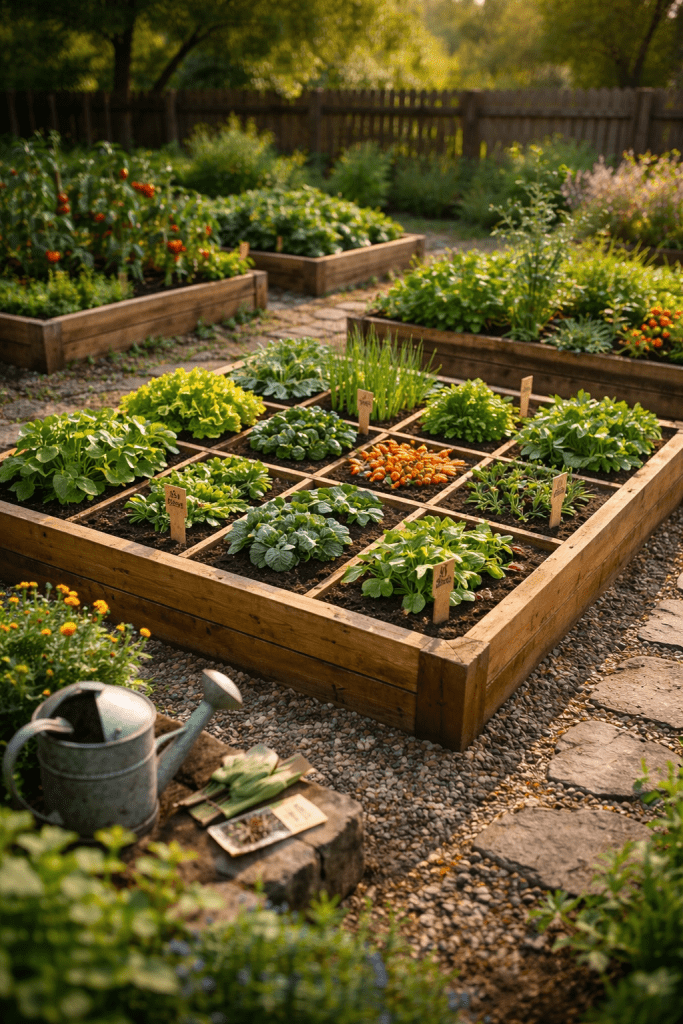
The grid style raised garden bed layout is one of the most efficient methods for growing vegetables in a limited space. This layout divides each garden bed into small square sections, allowing different crops to be planted in organized blocks. It is particularly popular among gardeners who want to maximize productivity while maintaining a tidy and easy-to-manage garden.
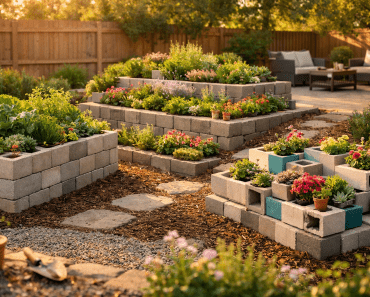
In this layout, raised beds are typically arranged in a simple rectangular or square formation with clearly defined pathways between them. Each bed is divided into smaller planting zones using wooden slats, string, or visual markers. These sections allow gardeners to grow multiple crops within the same bed while maintaining proper spacing.
One of the biggest advantages of this raised garden bed layout is efficient space usage. By planting crops closer together in organized grids, gardeners can grow more vegetables in a smaller area compared to traditional row gardening. This makes the grid layout ideal for urban gardens, small backyards, or beginner gardeners with limited space.
Another benefit is simplified crop rotation and planning. Because the bed is divided into squares, it becomes easy to track where each plant grows and rotate crops the following season. This helps maintain soil health and reduces pest problems over time. 🌻
The grid layout also simplifies maintenance tasks such as watering, fertilizing, and harvesting. Plants are easily accessible from pathways, eliminating the need to step inside the beds and compact the soil. This keeps the growing medium loose and fertile for longer periods.
Ideal Plants for Grid Raised Garden Beds
Many vegetables thrive in a grid-style layout because they grow well in compact planting arrangements. Crops that mature quickly or grow vertically are particularly well suited for this system.
Here are some popular choices:
| Plant Type | Plants That Work Well | Benefits |
|---|---|---|
| Leafy Greens | Lettuce, spinach, arugula | Quick harvest and compact growth |
| Root Vegetables | Carrots, radishes, beets | Efficient use of soil space |
| Herbs | Basil, parsley, cilantro | Easy harvesting and fragrant garden |
| Compact Vegetables | Bush beans, peppers | Good productivity in small spaces |
| Climbing Crops | Cucumbers, peas | Grow vertically to save space |
With proper spacing and planning, a grid-style raised garden bed can produce an impressive variety of crops throughout the growing season.
Best 2 U Shaped Raised Garden Bed Layout for Easy Access
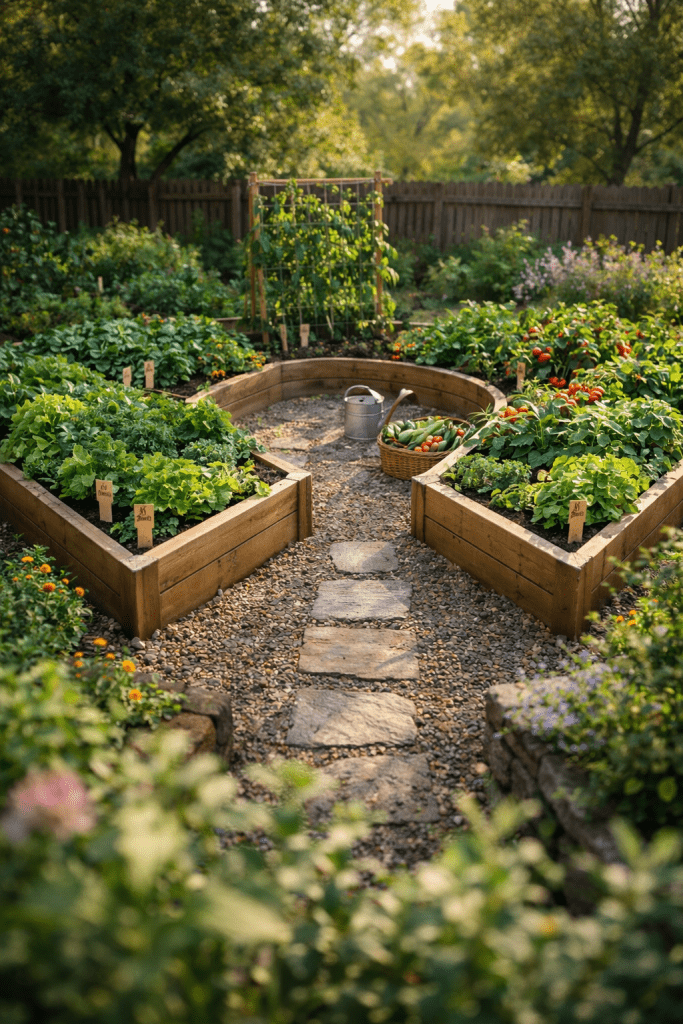
The U-shaped raised garden bed layout is designed for convenience and accessibility. Instead of arranging beds in straight rows, this layout forms a U or horseshoe shape that allows gardeners to reach plants from multiple sides.
This layout is particularly popular for gardeners who want to minimize bending, walking, and unnecessary movement while working in the garden. With a U-shaped arrangement, most plants can be reached within just a few steps from the central pathway.
Raised beds in this layout typically surround a central working space where gardeners can stand or place tools. The beds are positioned along the outer edges, forming a comfortable gardening zone where everything remains within arm’s reach. 🌱
One of the biggest benefits of this raised garden bed layout is improved accessibility. It is an excellent choice for older gardeners, people with limited mobility, or anyone who prefers a comfortable gardening experience.
In addition, the layout creates a highly organized garden workspace. Gardening tools, watering cans, and harvest baskets can be placed in the center area, allowing quick access while working.
The U-shape also encourages companion planting strategies. Because beds are arranged closely together, it becomes easy to group plants that benefit from growing near each other. For example, tomatoes can be planted near basil, while carrots grow well beside onions.
Designing an Efficient U Shaped Garden
To create an effective U-shaped raised garden bed layout, several design considerations should be kept in mind.
First, the width of each bed should remain manageable. Most gardeners prefer beds that are no wider than 4 feet, allowing easy access from both sides without stepping inside the bed.
Second, pathways should remain wide enough for comfortable movement. A width of about 2 to 3 feet works well for walking and transporting tools or harvest baskets.
Third, vertical growing structures can be placed along the back edges of the beds. Trellises, arches, or garden frames allow climbing crops such as cucumbers, beans, and tomatoes to grow upward, maximizing space.
Important note: Always position the tallest plants on the north side of the garden to prevent them from shading smaller crops.
By following these principles, the U-shaped layout becomes a highly productive and ergonomic gardening system.
Best 3 Curved Raised Garden Bed Layout for a Beautiful Garden Design
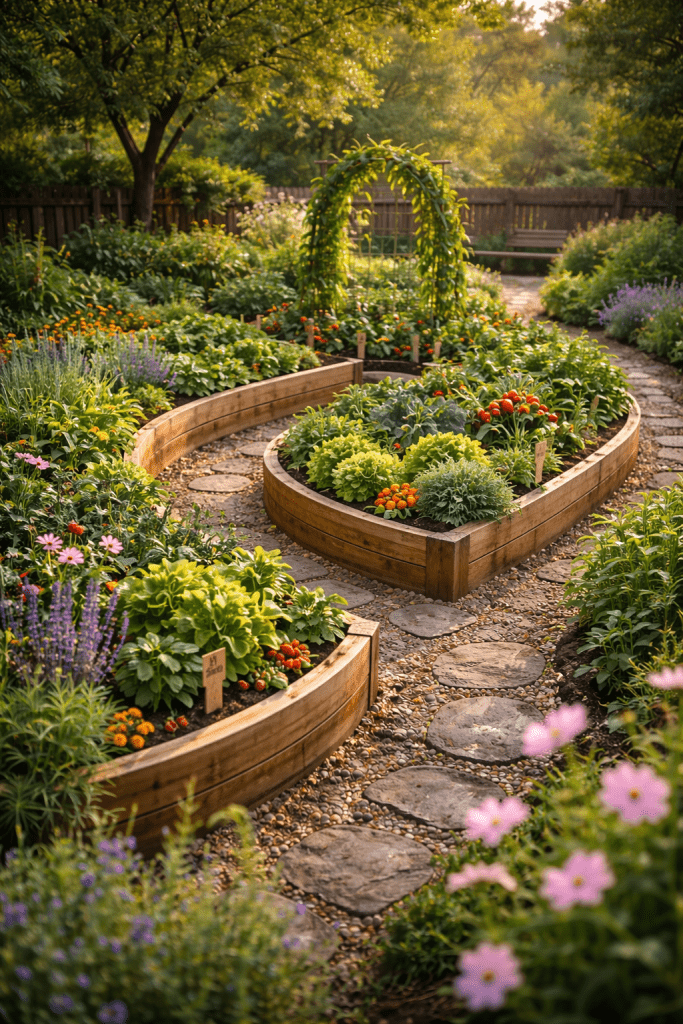
The curved raised garden bed layout combines functionality with artistic landscape design. Instead of straight lines and rectangular beds, this layout uses gentle curves, flowing shapes, and organic arrangements to create a visually stunning garden.
Curved garden beds often follow natural pathways or landscape contours, giving the garden a more relaxed and natural appearance. This layout is especially popular in cottage gardens, edible landscapes, and decorative backyard gardens where aesthetics are just as important as productivity. 🌸
One of the greatest advantages of this raised garden bed layout is its ability to integrate vegetables with ornamental plants. Flowers, herbs, and edible crops can grow together in mixed beds, creating a vibrant and diverse garden environment.
The curved design also softens the overall look of the garden. Straight lines can sometimes feel rigid, while curved beds add movement and visual interest. Pathways gently guide visitors through the garden, creating a peaceful and inviting atmosphere.
Another benefit is improved micro-climates within the garden. Curved beds can create sheltered areas where delicate plants receive protection from wind or intense sun. By adjusting the orientation of each bed, gardeners can create different growing conditions for various crops.
Plants That Thrive in Curved Raised Beds
Because curved layouts often blend ornamental and edible plants, they are perfect for diverse plant combinations.
Popular choices include:
- Tomatoes growing beside marigolds for pest protection 🍅
- Lavender and rosemary lining garden pathways 🌿
- Zucchini plants mixed with colorful flowers 🌼
- Strawberries planted along bed edges for easy harvesting 🍓
- Kale and Swiss chard providing striking leaf textures
These combinations turn the garden into both a food source and a visual masterpiece.
Curved beds also encourage biodiversity. Flowers attract pollinators such as bees and butterflies, which help improve vegetable production. This balanced ecosystem creates a healthier and more resilient garden.
How to Choose the Best Raised Garden Bed Layout for Your Space
Selecting the right raised garden bed layout depends on several important factors. Every garden space is unique, and the ideal design should match both practical needs and personal gardening goals.
One of the first considerations is available space. Small backyard gardens may benefit from compact layouts like grid beds, while larger properties can accommodate curved or artistic designs.
Sunlight exposure is another critical factor. Most vegetables require at least six to eight hours of sunlight per day. Garden beds should be positioned in a way that avoids shadows from trees, fences, or buildings.
Accessibility should also be considered carefully. If the garden will be used frequently for harvesting, watering, and maintenance, layouts that prioritize easy access will make gardening more enjoyable.
Garden style is another important element. Some gardeners prefer a highly structured vegetable garden, while others enjoy a relaxed cottage garden atmosphere where vegetables and flowers grow together.
The table below summarizes how each layout fits different gardening needs.
| Layout Style | Best For | Key Advantage |
|---|---|---|
| Grid Layout | Small spaces and maximum harvest | Highly efficient planting |
| U-Shaped Layout | Easy access and ergonomic gardening | Comfortable maintenance |
| Curved Layout | Decorative edible landscapes | Beautiful natural design |
Understanding these differences helps gardeners choose the layout that best matches their gardening style.
Tips for Designing a Successful Raised Garden Bed Layout
A well-planned raised garden bed layout can dramatically increase the productivity and enjoyment of any garden. While each layout style offers unique advantages, several universal design principles apply to nearly all successful gardens.
First, good soil quality is essential. Raised beds should be filled with nutrient-rich soil mixtures that promote healthy root development and strong plant growth. Compost, organic matter, and natural fertilizers help create fertile growing conditions.
Second, irrigation planning should be considered from the beginning. Drip irrigation systems, soaker hoses, or simple watering cans can be used to ensure plants receive consistent moisture without wasting water.
Third, gardeners should consider vertical growing opportunities. Trellises, arches, and climbing frames allow plants to grow upward, freeing valuable ground space and increasing overall productivity.
Finally, crop rotation and companion planting strategies should be incorporated into the garden design. Rotating plant families each season helps prevent soil depletion and pest buildup.
With thoughtful planning and creative design, a raised garden bed layout can transform any backyard into a thriving and beautiful garden space filled with fresh vegetables, herbs, and flowers. 🌿